Top 10 Results
 Difference between Shared Hosting and Dedicated Hosting
www.geeksforgeeks.org
Aug 20, 2020 GeeksforGeeks
**Shared Hosting** involves multiple websites sharing the same server resources, making it a cost-effective choice for low-traffic sites. Its advantages include low initial costs and suitability for simple websites. However, it has drawbacks such as limited resources, lower performance, and potential security risks due to resource sharing.
**Dedicated Hosting**, on the other hand, provides a single server dedicated to one website, offering full control over resources. This option is ideal for high-traffic websites that require robust performance and security. While it comes with higher costs, it allows for greater customization and scalability.
In summary, choose Shared Hosting for budget-friendly, low-traffic sites, and opt for Dedicated Hosting for high-performance needs and greater control.
Shared Hosting vs. Dedicated Hosting: Which is Right for ...
www.cloudpanel.io
Jan 01, 2025 Nikita S. Technical Writer
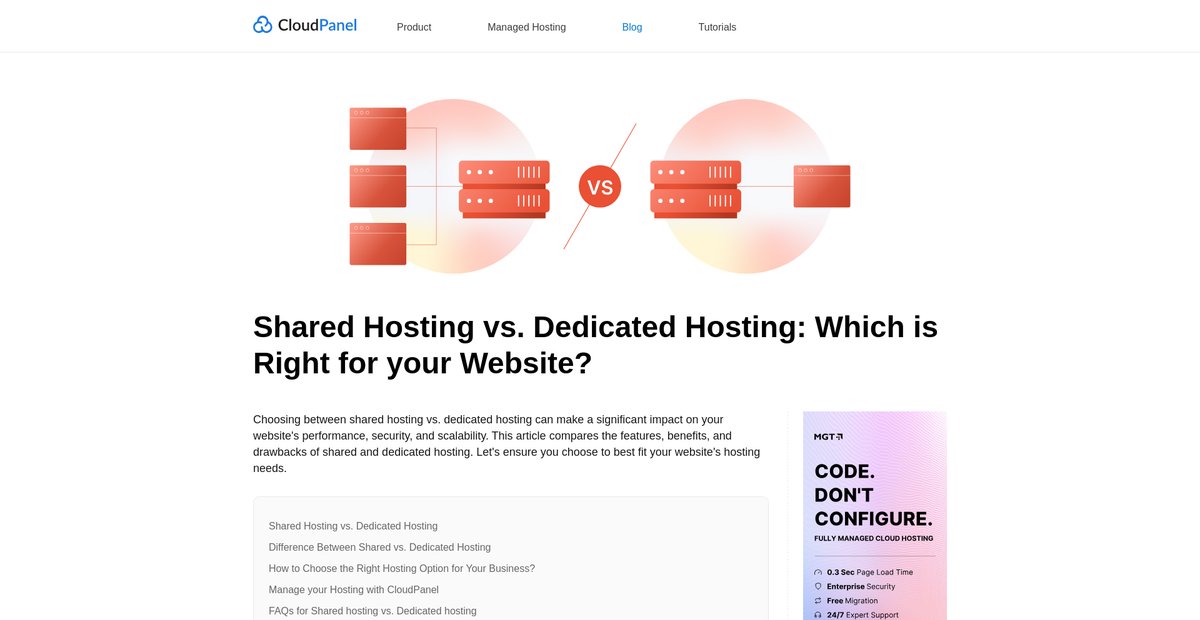
**Shared Hosting**:
- **Definition**: Multiple websites share a single server, making it a cost-effective choice for small businesses and personal sites.
- **Pros**: Affordable, user-friendly, managed services (backups, security), includes email accounts, and good customer support.
- **Cons**: Limited resources can lead to slower performance during peak times, less control over server settings, and potential performance issues due to other sites on the same server.
**Dedicated Hosting**:
- **Definition**: A single server is dedicated to one website, providing full control and resources.
- **Pros**: Better performance, enhanced security, and scalability, making it ideal for high-traffic websites or businesses.
- **Cons**: Higher cost and requires more technical knowledge to manage.
**Conclusion**: The choice between shared and dedicated hosting depends on your budget, website traffic, performance needs, and desired level of control. Shared hosting is suitable for smaller sites, while dedicated hosting is better for larger, more demanding websites.
 What is the difference between Shared Hosting and ...
www.namecheap.com
Dec 24, 2024
1. **Definition**: Shared Hosting involves multiple websites sharing a single server, while Dedicated Hosting provides an entire server exclusively for one user.
2. **Management**: Shared Hosting is user-friendly, ideal for those with limited technical skills, offering basic management through cPanel. In contrast, Dedicated Hosting requires more technical knowledge, although management options are available (User-Responsible, Basic, Complete).
3. **Performance**: Dedicated Hosting generally offers superior performance due to exclusive access to resources like CPU and RAM, making it better suited for high-traffic websites. Shared Hosting can suffer from performance issues if neighboring sites consume excessive resources.
4. **Resources**: Shared Hosting limits users to shared resources, while Dedicated Hosting provides full control over server resources, allowing for better customization and performance.
In summary, Shared Hosting is cost-effective and easier to manage for beginners, while Dedicated Hosting offers enhanced performance, control, and security for more experienced users or larger websites.
 Shared Hosting VS Dedicated Hosting: Which is Right For ...
www.hostpapa.com
Apr 14, 2022 Julia Keys
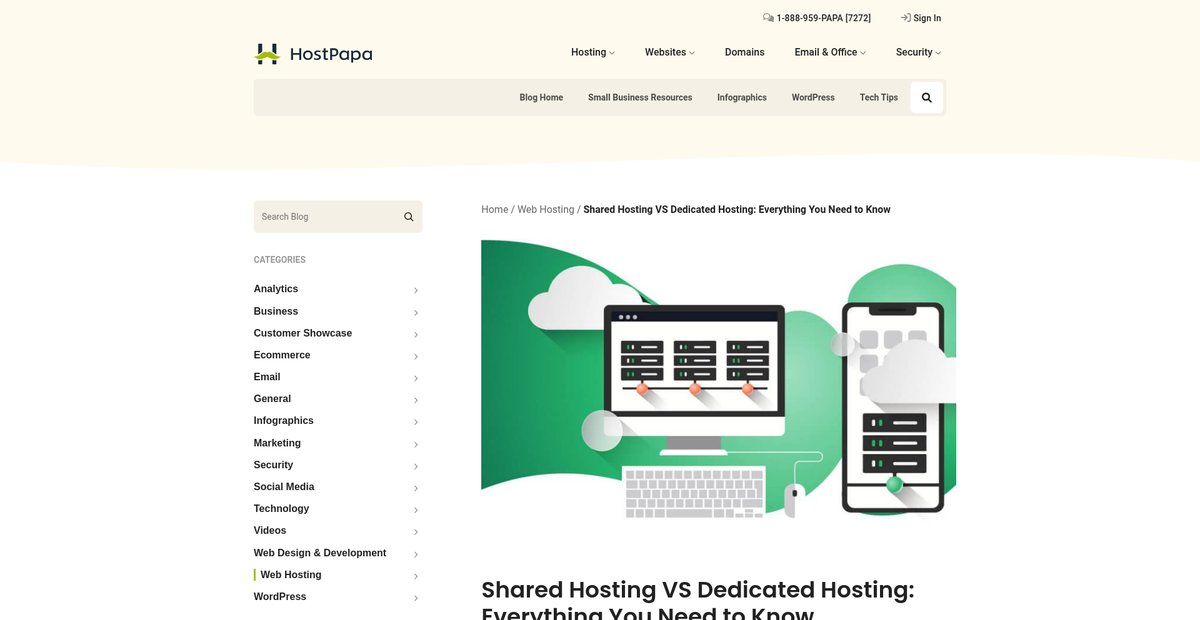
**Shared Hosting** involves multiple websites sharing a single server, making it a cost-effective option for those with smaller websites or limited budgets. Its main advantages include low cost and ease of use, but it comes with drawbacks such as limited resources and potential performance issues due to neighboring sites.
**Dedicated Hosting**, on the other hand, offers an entire server exclusively for one website, providing greater control, performance, and security. While it is more expensive, it is ideal for larger websites or those with high traffic demands.
In summary, the primary difference lies in resource allocation: shared hosting is economical but shared, while dedicated hosting is more powerful and secure but comes at a higher cost. The choice between the two depends on your website's specific needs and budget.
Key Differences Between Shared Hosting and Dedicated Hosting
www.gigenet.com
Jun 01, 2018 Staff
1. **Server Usage**: Shared hosting means multiple websites share the same server resources, while dedicated hosting allocates an entire server exclusively to one organization.
2. **Resource Limitations**: In shared hosting, disk space and bandwidth are limited and can incur extra charges if exceeded. Dedicated hosting offers unlimited resources tailored to the organization's needs without penalties.
3. **Cost**: Shared hosting is more affordable as costs are divided among users, making it suitable for smaller businesses. Dedicated hosting is more expensive but provides greater flexibility and control.
4. **Technical Skills Required**: Shared hosting requires no specialized technical skills as the provider manages maintenance and security. Dedicated hosting typically requires IT expertise for setup and management, although fully managed options are available at a higher cost.
5. **Security**: Shared hosting relies on the provider for security measures, while dedicated hosting allows for customized security solutions tailored to the organization's specific needs.
In summary, shared hosting is cost-effective and user-friendly but comes with limitations, while dedicated hosting offers more control, resources, and security at a higher price.
Shared Environment vs. Dedicated Environment
www.hostgator.com
Jan 01, 2025
**Shared Hosting**:
- In a shared environment, multiple users share server resources, making it a cost-effective option for smaller websites.
- HostGator offers various shared hosting types, including Linux Shared, Windows Shared, and Reseller Hosting, each catering to different needs.
- While suitable for basic website requirements, shared hosting comes with limitations on resources such as bandwidth, processes, and SQL connections to ensure fair usage among all users.
**Dedicated Hosting**:
- Dedicated hosting provides a single user with full control over an entire server and its resources, allowing for greater performance and fewer restrictions on CPU usage and processes.
- This option is ideal for larger websites or applications that require significant resources and customization.
In summary, shared hosting is more affordable and suitable for smaller sites, while dedicated hosting offers enhanced performance and control for larger, resource-intensive applications.
Shared Hosting vs Dedicated Hosting: The Pros & Cons
contabo.com
Mar 02, 2024 Tobias Mildenberger
**Shared Hosting** is a cost-effective option where multiple websites share the resources of a single server. This makes it ideal for small businesses, blogs, and personal websites, especially for those just starting out. However, performance can suffer during peak traffic times due to resource sharing.
**Dedicated Hosting**, on the other hand, provides exclusive access to an entire server's resources. This option is suited for high-traffic websites and applications that require enhanced performance, security, and control. Users can customize the server's operating system and hardware, but it comes at a higher cost.
In summary, shared hosting is budget-friendly and suitable for smaller projects, while dedicated hosting offers superior performance and security for larger, resource-intensive applications.
 Shared vs VPS vs Dedicated Hosting – Which One is Best? - HosterSale
www.hostersale.com
May 29, 2025 Lily
**Shared Hosting** is the most affordable option, where multiple websites share the same server and resources. It's ideal for beginners or small websites due to its low cost (usually just a few dollars per month) and user-friendly features like cPanel and one-click WordPress installation. However, shared hosting can lead to slower performance during traffic spikes and offers limited customization and control.
**Dedicated Hosting**, on the other hand, provides an entire server exclusively for one website. This option is best for high-traffic sites that require maximum performance, security, and full control over server settings. While it is significantly more expensive than shared hosting, it ensures the highest level of uptime and resource availability.
In summary, shared hosting is suitable for small, low-traffic sites, while dedicated hosting is designed for larger, resource-intensive websites that demand superior performance and control.
Hosting differences: Understanding shared, VPS, and ...
www.godaddy.com
Feb 28, 2025 Tom Rankin
**Shared Hosting**: This type involves multiple websites sharing a single server, making it a cost-effective choice for small businesses or personal sites with lower traffic. However, resources like server space and memory are limited, which can affect performance during high traffic periods. It's generally easier to manage, making it suitable for those with minimal technical expertise.
**Dedicated Hosting**: In contrast, dedicated hosting provides an entire server for a single website, offering maximum control, performance, and security. This option is ideal for larger businesses or sites with high traffic, as it allows for greater customization and resource allocation. However, it comes at a higher cost and typically requires more technical knowledge to manage effectively.
In summary, choose shared hosting for budget-friendly, low-traffic needs, and dedicated hosting for high-traffic sites requiring robust performance and security.
Shared vs VPS vs Dedicated Web Hosting
www.inmotionhosting.com
Apr 29, 2025 InMotion Hosting
**Shared Hosting** is a cost-effective option ideal for small websites and businesses. Multiple users share the same server resources, which makes it affordable but can lead to slower performance during peak times. It's suitable for those with limited budgets and lower traffic needs.
**Dedicated Hosting**, on the other hand, provides an entire server dedicated to a single user or organization. This option offers maximum performance, security, and control, making it suitable for high-traffic websites or those handling sensitive data. It is more expensive but necessary for businesses that require high reliability and uptime.
In summary, choose shared hosting for budget-friendly, low-traffic sites, and opt for dedicated hosting for high-performance needs and enhanced security.
Screenshots Gallery