Top 10 Results
Web Hosting - Amazon Web Services (AWS)
aws.amazon.com
Apr 17, 2025
Key features include:
- **Scalability**: Easily adjust resources based on traffic demands.
- **Reliability**: Utilize a global network of data centers for redundancy and uptime.
- **Security**: Advanced security measures to protect data and applications.
- **Cost-Effectiveness**: Pay-as-you-go pricing model to optimize costs.
For more detailed information on specific services and pricing, visit the AWS Web Hosting page.
What is Cloud Hosting? - Cloud Server Hosting Explained
aws.amazon.com
Mar 11, 2025
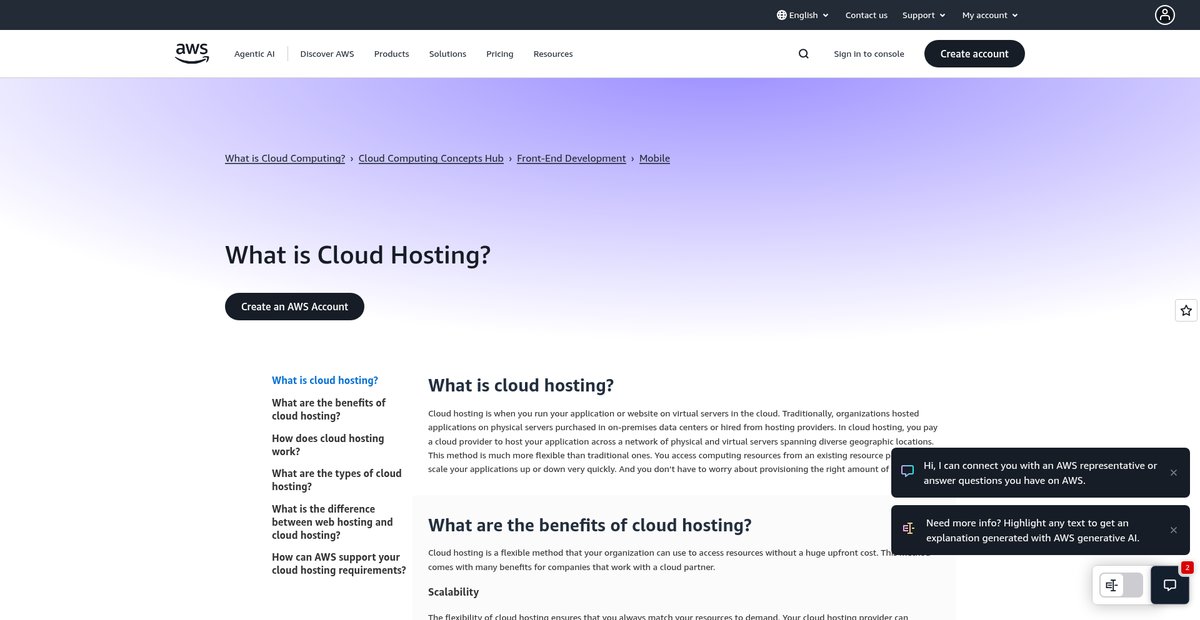
1. **Scalability**: Cloud hosting allows businesses to quickly adjust resources based on demand without the need for upfront hardware investments. You only pay for what you use, making it cost-effective.
2. **Availability**: With data centers located globally, cloud hosting enhances accessibility and reduces latency. Providers implement failover mechanisms and technologies like load balancers to ensure high availability.
3. **Cost Efficiency**: By eliminating the need for physical hardware and ongoing maintenance, cloud hosting reduces overall costs. The pay-as-you-go model further enhances financial flexibility.
4. **Security**: Cloud providers invest heavily in security measures, ensuring systems are regularly updated and offering disaster recovery options.
5. **Time to Market**: Organizations can deploy their IT infrastructure more rapidly without the delays associated with setting up physical hardware.
For those interested in Amazon's cloud server hosting, AWS provides a robust platform that supports these benefits, making it an attractive option for businesses looking to leverage cloud technology. For more details, visit AWS Cloud Hosting.
Virtual Private Server And Web Hosting - Amazon Lightsail
aws.amazon.com
Mar 11, 2025
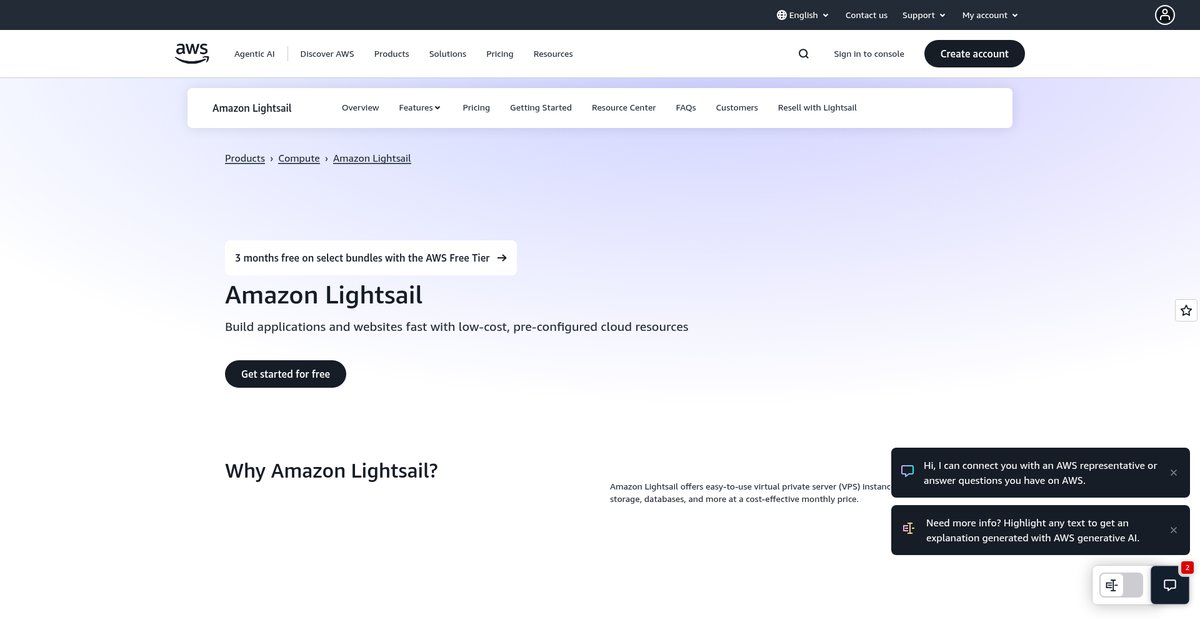
Key benefits include scalability to the broader AWS ecosystem, robust security, and reliability. Users can also take advantage of a free tier for three months on select bundles. For those interested in reselling hosting solutions, Lightsail provides options to manage client hosting without the need for physical infrastructure.
For more details, visit the Amazon Lightsail website.
Cloud Computing Services - Amazon Web Services (AWS)
aws.amazon.com
May 07, 2025
AWS is particularly noted for its robust infrastructure, which supports millions of customers, from startups to large enterprises, allowing them to innovate and reduce costs. The platform also features advanced AI and data services, including options for building generative AI applications.
For those interested in server hosting, AWS provides the tools necessary to deploy and manage applications in the cloud, ensuring high performance and reliability. You can explore more about AWS's hosting solutions and capabilities on their official website.
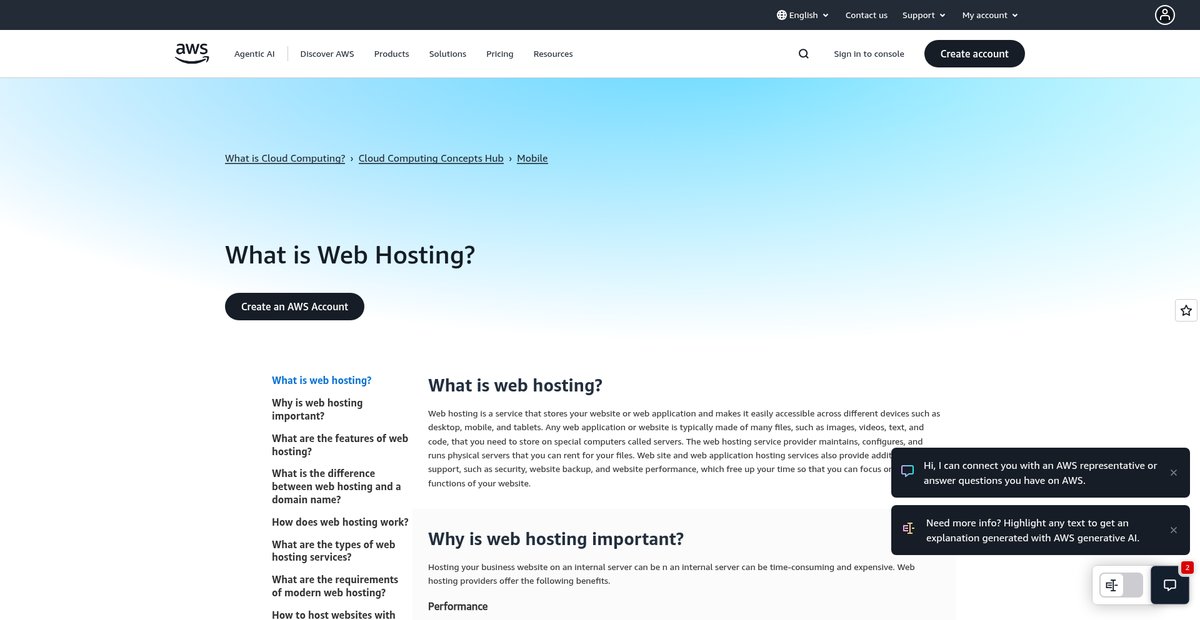
What is Web Hosting? - AWS - Amazon.com
aws.amazon.com
Mar 11, 2025
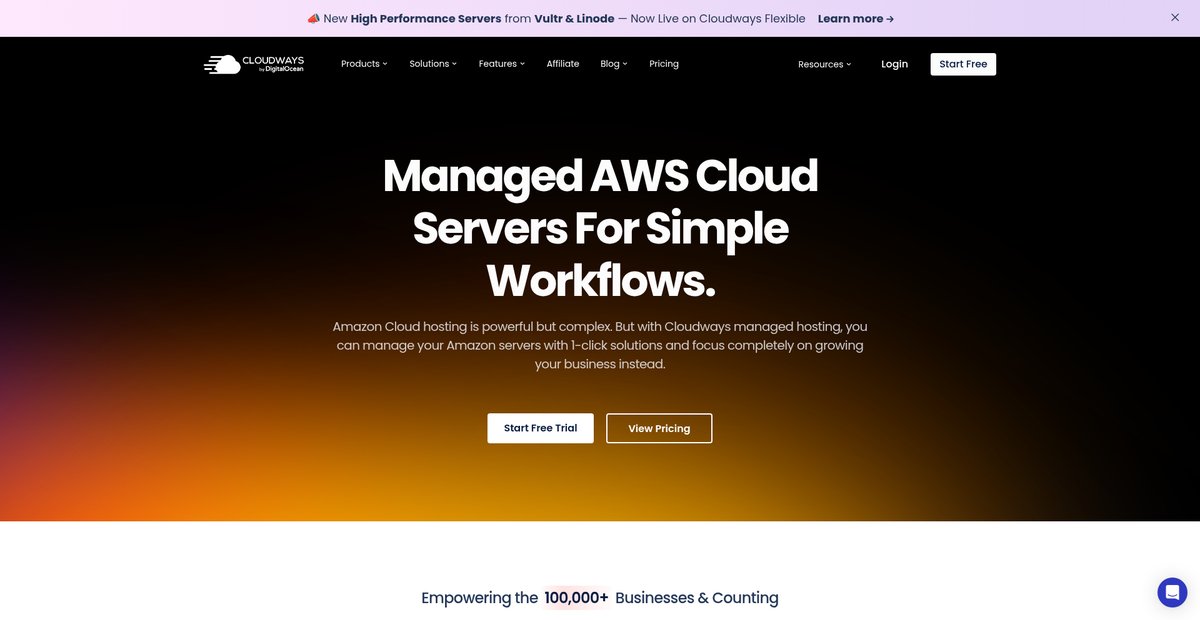
 Managed AWS, Amazon Cloud Hosting Simplified
www.cloudways.com
Jul 01, 2025
 Introduction to Website Hosting in the AWS Cloud for New ...
www.youtube.com
May 07, 2024 Amazon Web Services

- **Amazon S3**: Hosting static websites using object storage (0:30).
- **Amazon EC2**: Utilizing compute capacity on demand for dynamic hosting (5:05).
- **AWS Elastic Beanstalk**: Simplifying web application deployment (8:36).
- **Amazon Lightsail**: Launching websites with pre-configured resources (8:52).
- **AWS Amplify**: Building full-stack web and mobile applications (9:20).
This resource is ideal for those interested in Amazon cloud server hosting, offering insights into different hosting options available on AWS. For more information, visit the AWS website linked in the video description.
What is a Cloud Server?
aws.amazon.com
Apr 17, 2025
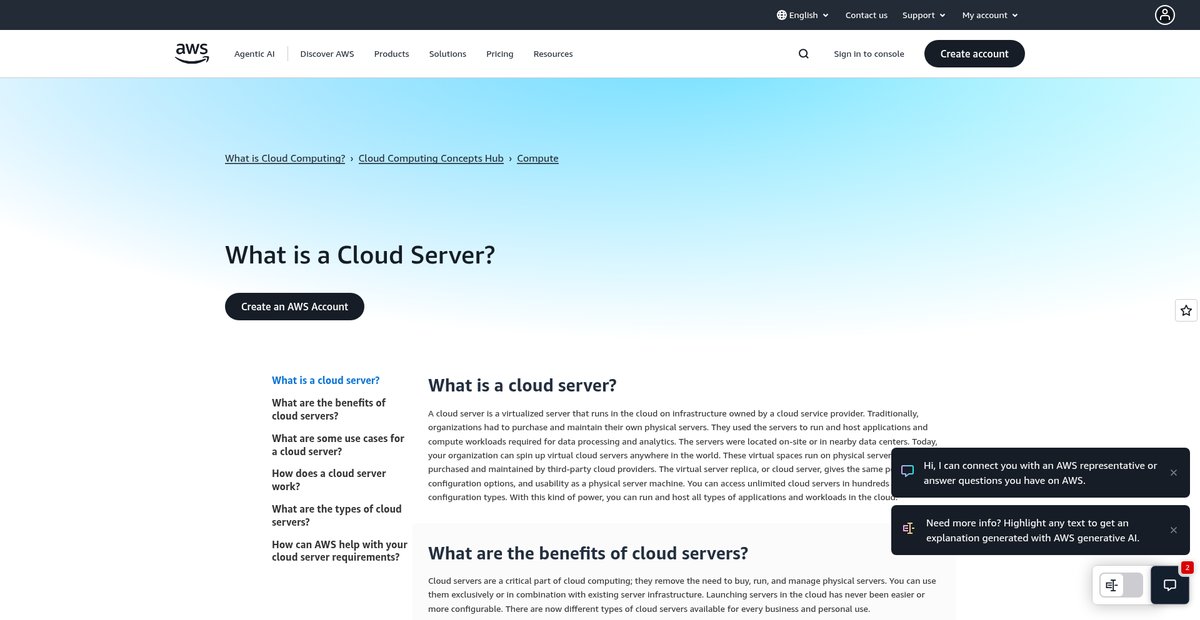
With Amazon's cloud server hosting, you can quickly deploy servers tailored to your specific needs without the burden of physical hardware. This allows for on-demand access to various configurations, enabling you to run diverse applications and workloads efficiently. Key benefits include:
- **Flexible Options**: Choose from a wide range of server architectures based on your requirements, including graphics capabilities and networking functions.
- **Cost-Effective Management**: Rent cloud servers with per-second billing, eliminating long-term commitments and ongoing maintenance costs.
- **Scalable Provisioning**: Easily adjust server capacity to meet changing workloads, ensuring optimal performance without manual intervention.
For more information on how AWS can support your cloud server hosting needs, visit the AWS Cloud Server page.
Amazon EC2 - Cloud Compute Capacity - AWS
aws.amazon.com
Apr 25, 2025
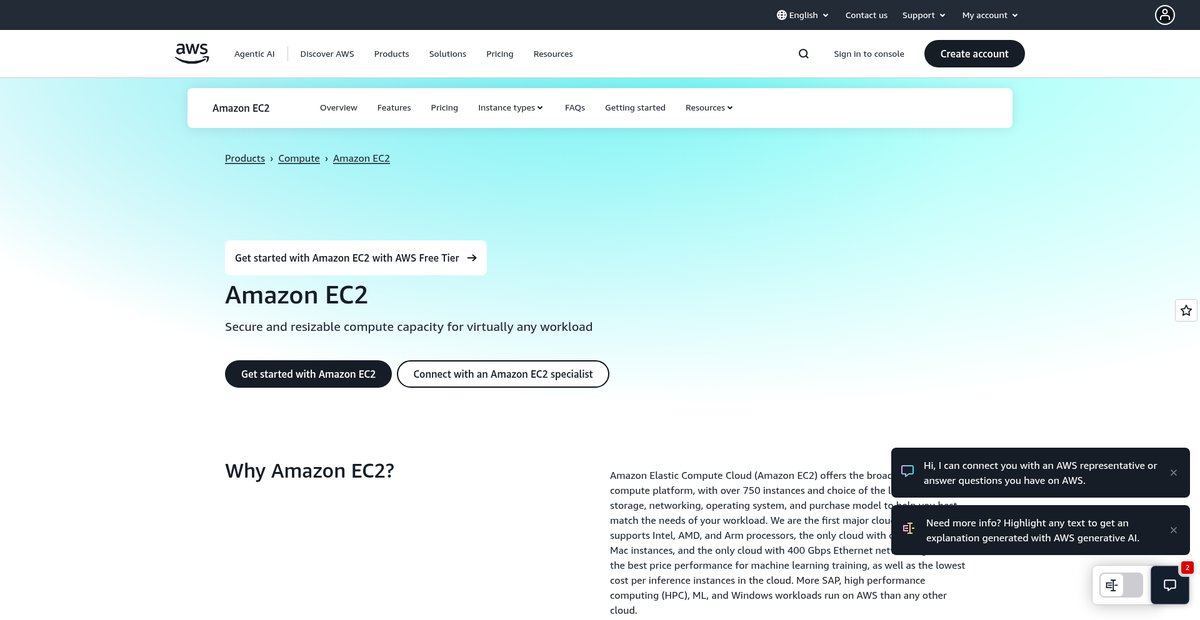
Key benefits include a 99.99% SLA commitment for availability, built-in security through the AWS Nitro System, and cost optimization options such as AWS Graviton-based instances and Spot instances. EC2 is ideal for running cloud-native and enterprise applications, high-performance computing (HPC), and machine learning (ML) projects, ensuring flexibility and efficiency in resource management.
For those interested in starting, AWS offers a Free Tier to explore EC2 services. More details on pricing, features, and migration tools are available on the Amazon EC2 website.
 AWS Builder Center
builder.aws.com
Jul 09, 2025
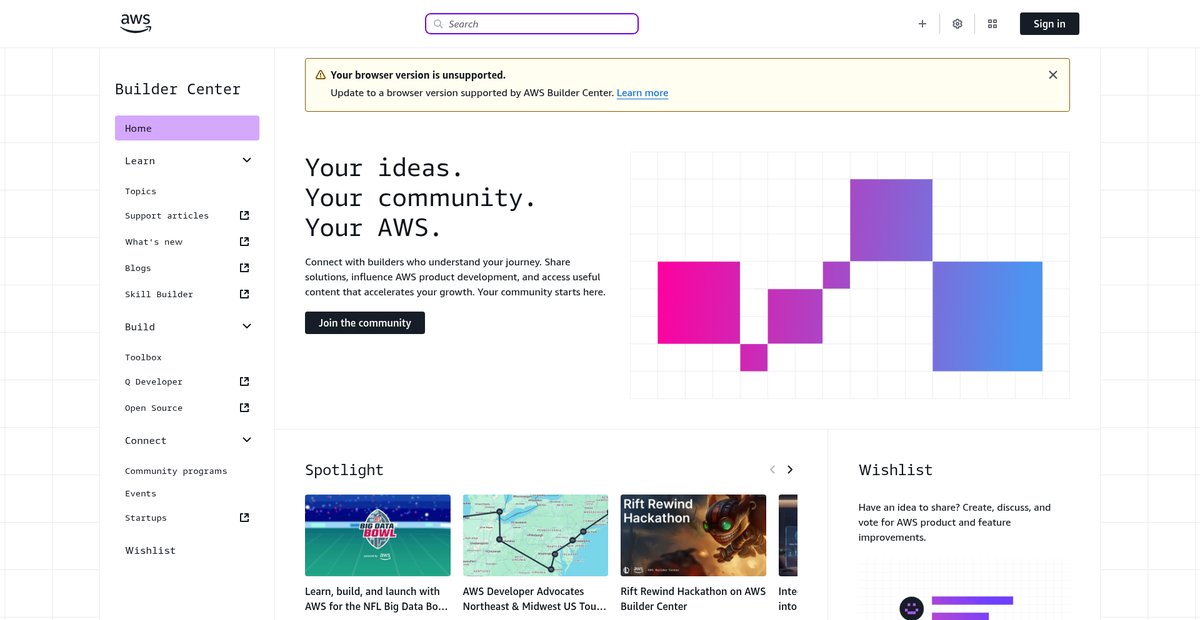
Screenshots Gallery