Top 10 Results
What Is Server Hosting? | IBM
www.ibm.com
Oct 13, 2021 IBM
Key benefits include:
- **Rapid Deployment:** Servers can be provisioned and configured in minutes, speeding up application delivery.
- **Cost Efficiency:** Users pay predictable monthly fees instead of large capital expenditures for hardware.
- **Scalability:** Organizations can easily scale resources up or down based on demand without the need for physical upgrades.
There are three main types of server hosting:
1. **Shared Server Hosting:** Cost-effective but limited in performance and scalability, suitable for basic websites.
2. **VPS Hosting:** Offers more resources and control than shared hosting, ideal for growing applications.
For more detailed information, you can visit the full article on IBM's website.
 Dedicated server hosting built for performance and control
www.liquidweb.com
Mar 20, 2025
The benefits of server hosting include enhanced security through measures like firewalls and encryption, optimized performance with dedicated resources for handling high traffic, and the ability to customize server environments to meet specific business needs. This makes server hosting a crucial component for businesses looking to establish a reliable online presence.
 Web Hosting vs. Server: What's the Difference Meaning ...
elementor.com
Feb 11, 2025 Itamar Haim
There are various types of server hosting, including:
1. **Shared Hosting**: Multiple websites share a single server's resources, making it an affordable option for smaller sites.
2. **VPS Hosting (Virtual Private Server)**: Offers dedicated resources within a shared environment, providing more control and stability.
3. **Dedicated Hosting**: The user has exclusive access to an entire server, ideal for large websites with high traffic.
4. **Cloud Hosting**: Utilizes a network of servers to provide scalable resources, allowing for flexibility as website needs grow.
In summary, server hosting is essential for making websites operational and accessible, with different types catering to varying needs and budgets.
What is Web Server Hosting?
www.atlantic.net
Mar 24, 2023
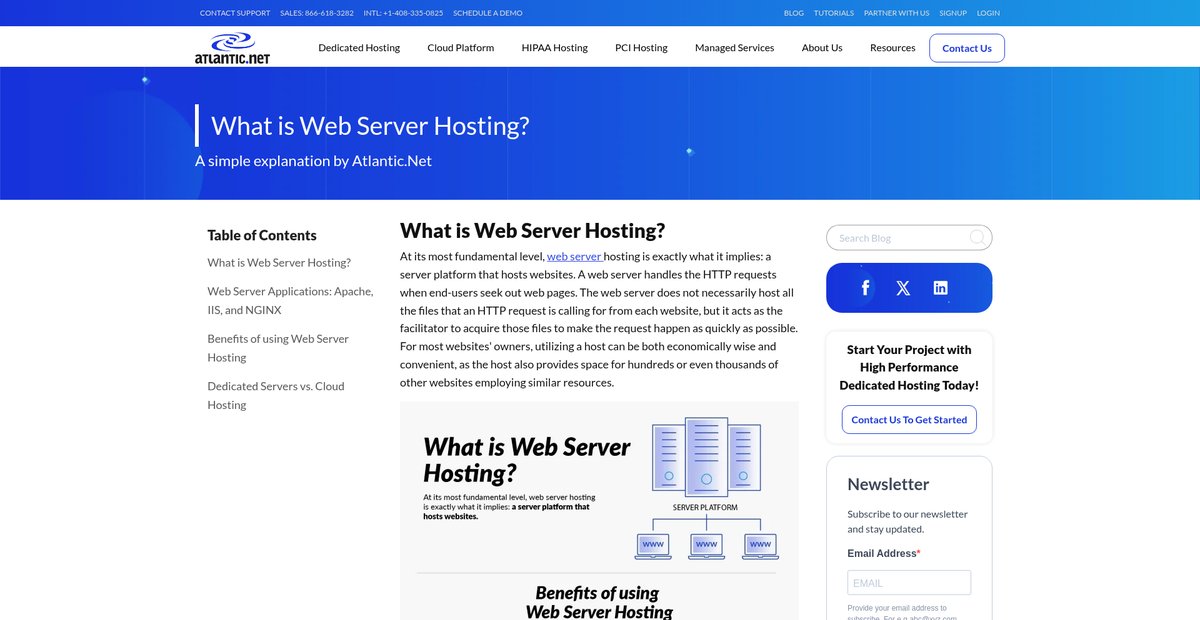
Key web server applications include:
1. **Apache HTTP Server**: An open-source application widely used for its modularity and compatibility with various technologies like MySQL and PHP. It is favored for its scalability and is popular among the Linux community.
2. **Microsoft IIS (Internet Information Services)**: A licensed web server that integrates seamlessly with Microsoft products. It is user-friendly and often used by enterprises for its robust support options.
3. **NGINX**: An open-source server that functions as both a web server and a reverse proxy, known for its efficiency in handling heavy workloads. It can be combined with Apache for enhanced functionality.
Benefits of web server hosting include increased website speed, higher availability (reliability and security), and robust data protection through advanced security measures in data centers. Fast-loading websites improve conversion rates, while high availability reduces the risk of downtime.
What Is Server Hosting? {Types, Benefits}
phoenixnap.com
Dec 18, 2023 Anastazija Spasojevic
1. **Shared Hosting**: Cost-effective option where multiple websites share server resources. Suitable for small businesses and blogs but can lead to performance issues and security risks.
2. **Dedicated Hosting**: Allocates all server resources to a single user or organization, ideal for large businesses with high traffic. Offers complete control and reliability but is the most expensive option.
3. **Virtual Private Server (VPS) Hosting**: Divides a physical server into multiple virtual servers, balancing cost and performance. Suitable for medium-sized businesses but has limitations in scalability.
4. **Cloud Hosting**: Utilizes a network of virtual servers, providing scalability and cost-effectiveness for businesses with fluctuating traffic. Users pay only for the resources they consume.
5. **Managed Hosting**: Includes management services from the host, ideal for businesses lacking in-house technical expertise. More expensive but offers less control.
6. **Colocation Hosting**: Involves renting space in a data center for your own server hardware, with the data center providing power and bandwidth.
Understanding these options can help organizations choose the best server hosting solution based on their specific needs and budget.
What is server hosting? Plus benefits, types, and how to choose | Liquid Web
www.liquidweb.com
Nov 27, 2024 Todd Terwillegar
The benefits of server hosting include:
1. **Security**: Enhanced protection through firewalls, encryption, and regular updates, particularly with dedicated servers that offer isolated environments.
2. **Performance**: Optimized resources ensure quick task completion and the ability to handle high traffic volumes without lag.
3. **Customization**: Organizations can tailor their server environment to meet specific needs, including adjusting storage and installing specialized software.
4. **Scalability**: Server hosting allows businesses to easily upgrade or modify resources in response to changing demands.
5. **Reliability**: Most reputable providers guarantee high uptime (often 99.9% or better) and use redundant systems to minimize outages.
For more detailed information, you can visit the full article here.
What Is Web Hosting – Web Hosting Explained for Beginners
www.hostinger.com
Feb 14, 2022 Domantas G.
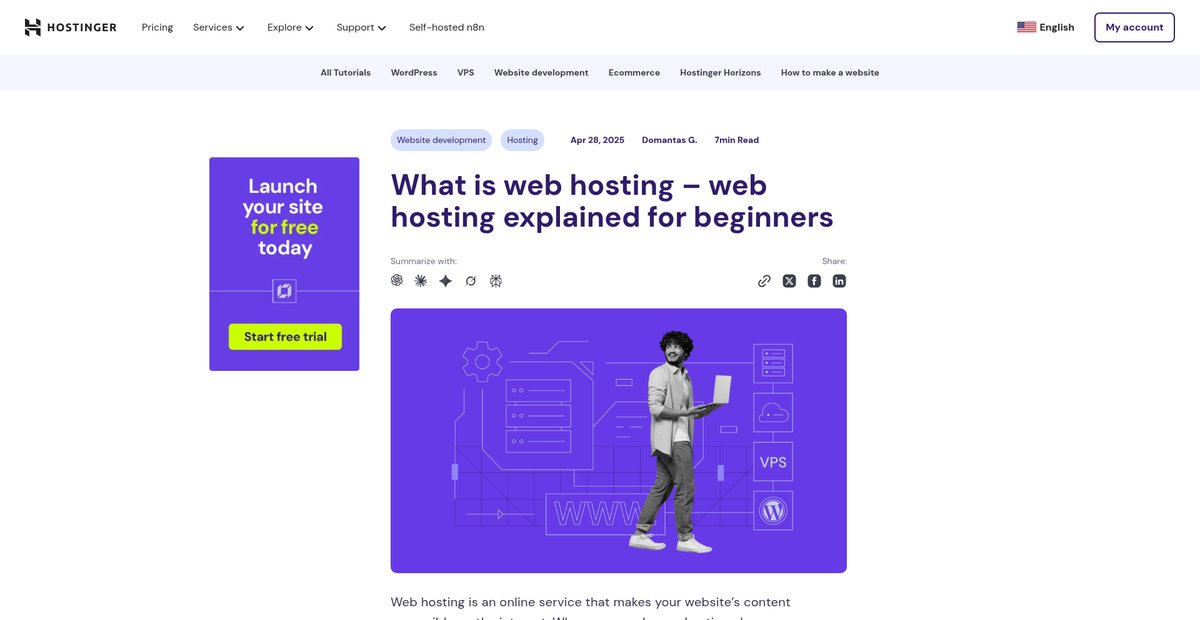
The process works as follows: when a user enters your domain name, the web host's server retrieves and delivers the necessary files to display your website. While it is possible to host a website yourself, it requires significant technical expertise and ongoing maintenance, which is why many opt for a hosting service.
There are various types of web hosting services available, catering to different needs—from shared hosting for beginners to more advanced options for high-traffic sites. It's advisable to start with a simpler hosting solution and upgrade as your website grows. For more details on types of hosting and pricing, you can refer to the original article.
Internet hosting service
en.wikipedia.org
Jan 15, 2025 Contributors to Wikimedia projects
There are different types of server hosting, including:
1. **Dedicated Hosting**: Clients have exclusive access to a physical server, allowing them to run any applications they choose.
2. **Shared Hosting**: Multiple clients share resources on a single server, making it a cost-effective option for smaller websites.
3. **Virtual Private Server (VPS)**: A middle ground between shared and dedicated hosting, where a physical server is divided into multiple virtual servers, each with its own resources.
4. **Cloud Hosting**: Utilizes a network of servers to host websites, providing scalability and reliability.
Hosting providers ensure that servers have reliable Internet connections and power sources, making server hosting a critical component of online presence.
What is Cloud Hosting? - Cloud Server Hosting Explained
aws.amazon.com
Mar 11, 2025
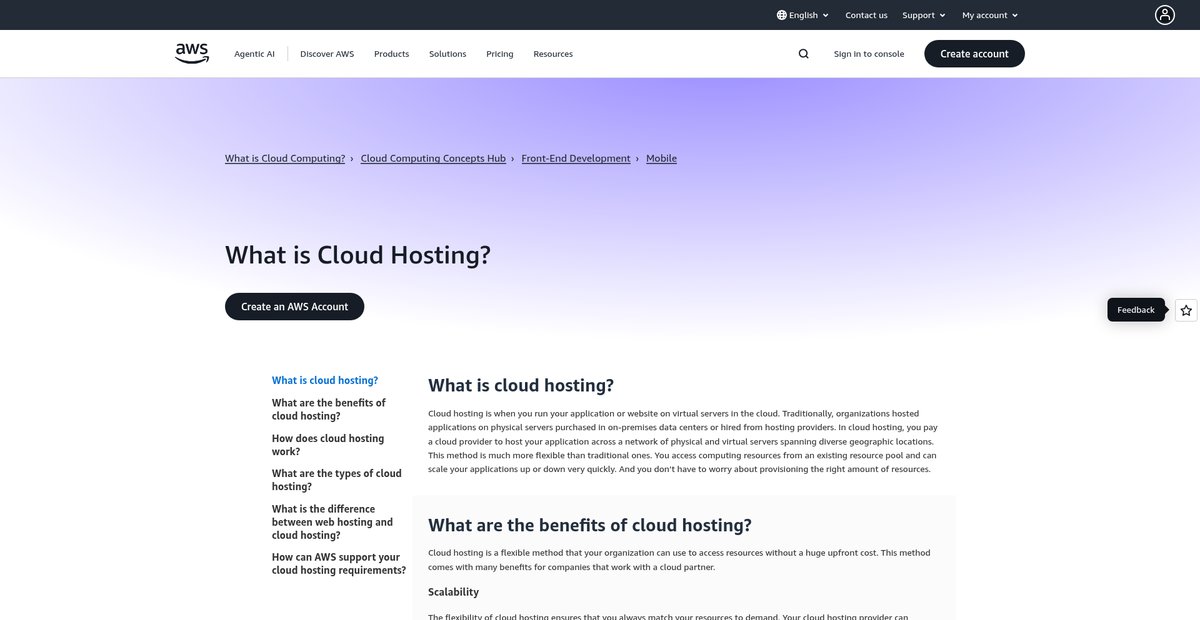
Key benefits of cloud hosting include:
- **Scalability**: Resources can be adjusted quickly based on demand, allowing organizations to pay only for what they use.
- **Availability**: With data centers worldwide, cloud hosting reduces latency and enhances accessibility, ensuring services are available to users globally.
- **Cost Efficiency**: It eliminates the need for significant upfront hardware investments and ongoing maintenance costs, as users pay on a pay-as-you-go basis.
- **Security**: Cloud providers invest in advanced security measures and offer disaster recovery options, keeping systems updated and secure.
- **Time to Market**: Organizations can deploy their IT infrastructure more rapidly without the delays associated with setting up physical hardware.
Overall, cloud hosting offers a flexible, efficient, and secure alternative to traditional server hosting methods.
US Hosting | FASTEST & BEST American Web Hosting
www.a2hosting.com
Feb 05, 2025 A2 Hosting

Screenshots Gallery