Top 10 Results
Managed cloud hosting | 4X more speed | 99.9% uptime
www.hostinger.com
Jan 01, 2025 Hostinger
Cheap hosted VPS by Hetzner: our cloud hosting services
www.hetzner.com
Jan 01, 2025
All cloud servers are GDPR-compliant and available in multiple locations, including Germany, Finland, Singapore, and the USA. Users can benefit from flexible billing, paying only for the hours used without a minimum contract period. Each server comes with substantial inclusive traffic, ensuring cost-effectiveness for users. For more details, visit Hetzner's cloud hosting page.
Value-Packed Managed Cloud Hosting
www.siteground.com
Feb 14, 2025 SiteGround Web Hosting
SiteGround's cloud hosting is optimized for WordPress and WooCommerce, with tools for easy migration, auto-updates, and built-in speed optimization. The service guarantees 99.99% uptime and offers customizable plans to suit specific needs. Overall, SiteGround is a strong option for those seeking reliable cloud server hosting solutions.
 Cheapest Cloud Servers out there? : r/devops
www.reddit.com
Oct 02, 2024 SanoHD
DigitalOcean | Cloud Infrastructure for Developers
www.digitalocean.com
Jan 01, 2025 Dave McCarthyResearch Vice President, IDC
OVHcloud
us.ovhcloud.com
Jan 01, 2025
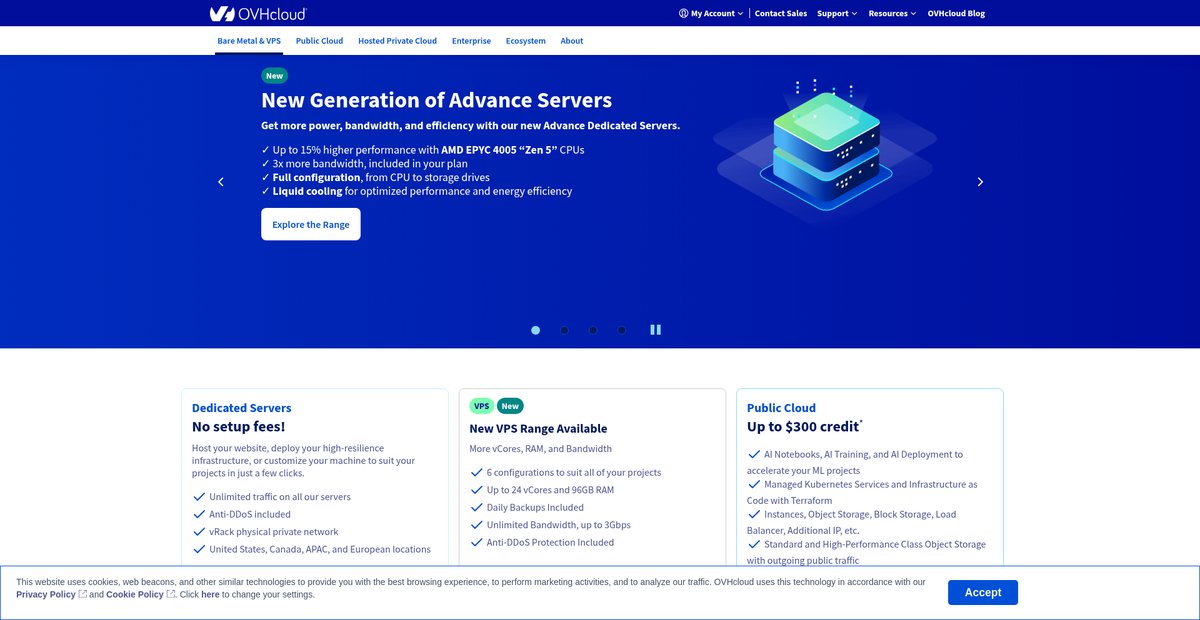
Additionally, OVHcloud provides fully managed VMware Cloud Foundation (VCF) as-a-Service, optimized for cost and performance, starting at $399/month. Their dedicated servers come with unlimited traffic, anti-DDoS protection, and a private vRack network, making them suitable for high-resilience infrastructure and various applications.
For businesses looking to manage costs and improve performance, OVHcloud's offerings include flexible cloud solutions, bare metal servers, and public cloud services with credits available for new customers. Explore their range of products to find the best fit for your cloud hosting needs.
Cloud Computing Services and Managed Services
www.ctl.io
Jan 01, 2025

1. **Dedicated Cloud Compute**: Provides on-demand physical servers tailored for compute-intensive workloads, ensuring low-latency performance.
2. **Managed Hosting**: Delivers fully-managed hosting solutions, allowing businesses to offload IT management tasks to Lumen's skilled teams.
3. **Cloud Application Manager**: An automation platform for orchestrating cloud applications, enhancing management efficiency.
4. **Edge Services**: Includes Edge Bare Metal and Edge Private Cloud options, designed for high-performance applications requiring rapid data access.
5. **Security Services**: Offers managed security solutions like DDoS mitigation and web application firewalls to protect hosted applications.
For businesses seeking cloud server hosting, Lumen provides flexible, scalable, and secure options to meet diverse IT needs. More details can be found on their website.
American Cloud - Your Data Deserves Better
americancloud.com
Jan 01, 2025
Portal Home - OnTheCloud.co
www.onthecloud.co
Jan 01, 2025
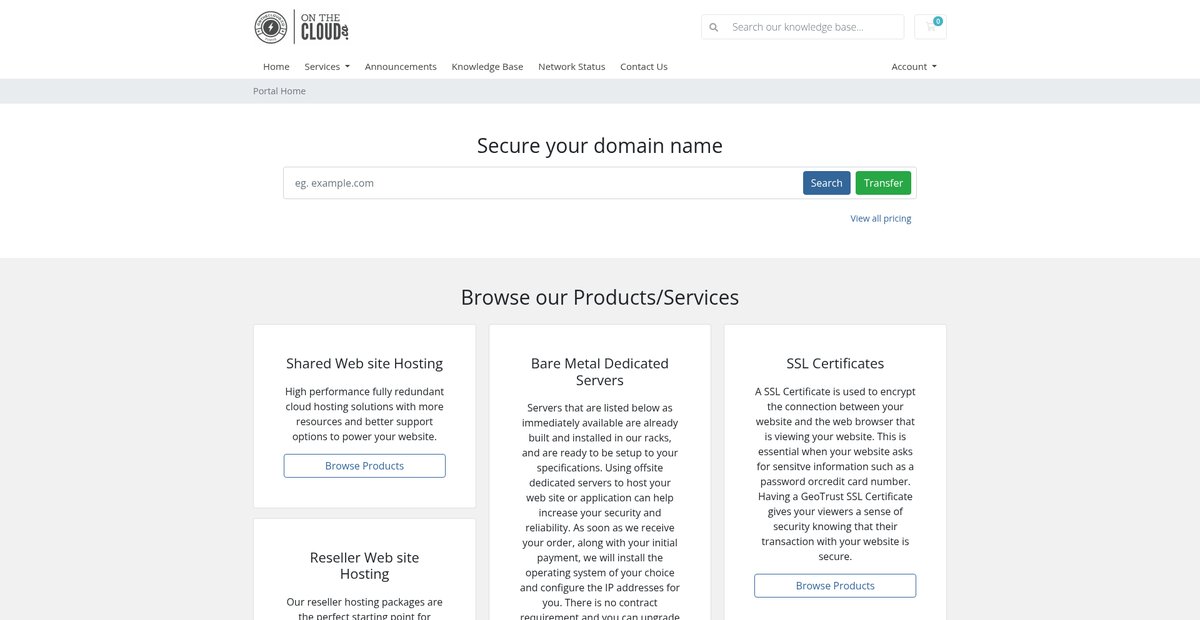
1. **Shared Web Hosting**: High-performance cloud hosting with robust support.
2. **Reseller Hosting**: Affordable packages for web developers looking to start their own hosting business.
3. **Virtual Private Servers (VPS)**: Classic VPS services with remote management capabilities.
4. **Bare Metal Dedicated Servers**: Ready-to-use dedicated servers with customizable setups and no long-term contracts.
5. **Server Colocation**: Reliable colocation services with extensive support and security features.
Additionally, OnTheCloud provides SSL certificates for secure transactions, spam filtering, and domain registration and transfer services. For more details, visit their products page.
What is Cloud Hosting? - Cloud Server Hosting Explained
aws.amazon.com
Mar 11, 2025
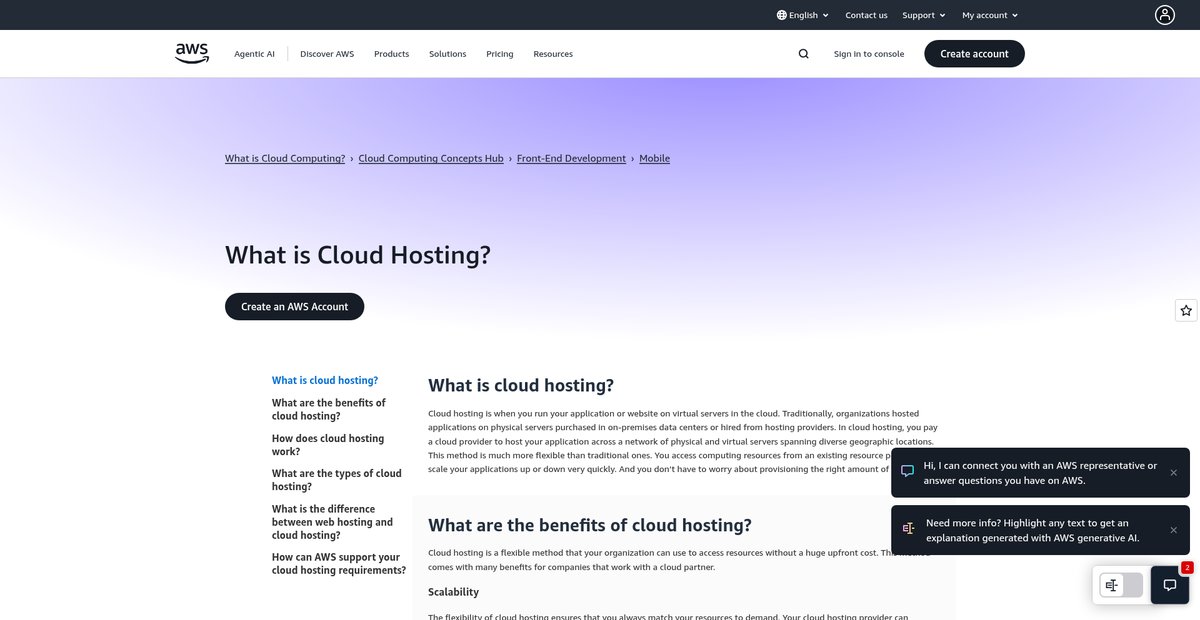
1. **Scalability**: Resources can be adjusted based on demand, allowing businesses to pay only for what they use without the need for upfront hardware investment.
2. **Availability**: With data centers located globally, cloud hosting enhances accessibility and reduces latency, ensuring high availability of services.
3. **Cost Efficiency**: It eliminates the need for significant initial hardware costs and ongoing maintenance expenses, offering a pay-as-you-go pricing model.
4. **Security**: Cloud providers invest in advanced security measures and regularly update their systems, providing robust protection and disaster recovery options.
5. **Time to Market**: Organizations can deploy their IT infrastructure quickly without the delays associated with setting up physical hardware.
For more detailed information, you can visit the full article on AWS: What is Cloud Hosting?.
Screenshots Gallery