Top 10 Results
Dedicated Server vs. Cloud Hosting: What’s Best for Your Business in 2025?
dev.to
May 23, 2025 Sanoja
**Dedicated Server Hosting** offers exclusive access to a physical server, providing high performance, enhanced security, and full control over configurations. It's ideal for businesses with high traffic, resource-intensive applications, or strict regulatory requirements, ensuring maximum uptime and fast load speeds.
**Cloud Hosting**, on the other hand, utilizes virtual servers that draw resources from a network of physical servers. It excels in scalability and cost-efficiency, allowing businesses to adjust resources based on real-time needs and only pay for what they use. This makes it suitable for startups and those with variable traffic.
**Performance** typically favors dedicated servers due to their dedicated resources, while cloud performance can vary but is generally sufficient for standard applications.
**Cost** is a significant factor; dedicated servers have higher upfront costs, while cloud hosting offers a pay-as-you-go model, which can be more economical for smaller businesses. However, long-term cloud usage can sometimes surpass the cost of dedicated servers for high workloads.
In summary, the choice between cloud hosting and dedicated servers depends on your business's specific needs regarding performance, scalability, budget, and security.
 Is cloud hosting better than a dedicated server?
www.quora.com
Jan 01, 2025
In contrast, cloud hosting utilizes virtual machines (VMs) that run on shared physical hardware. This model allows for greater flexibility, scalability, and cost-effectiveness due to resource pooling and efficient hardware utilization. Cloud servers can be more reliable, as VMs can be moved between physical machines for maintenance without downtime.
However, cloud hosting may introduce some performance overhead and potential security risks, as resources are shared among multiple tenants. Users may also face restrictions on what they can run due to the shared nature of the environment.
Ultimately, the choice between cloud hosting and dedicated servers depends on specific needs: dedicated servers offer control and performance, while cloud hosting provides flexibility and cost savings. For those needing a balance, Virtual Private Servers (VPS) offer a middle ground, combining aspects of both models.
 Cloud Server vs Dedicated Server Comparison
www.rackspace.com
Jan 01, 2025
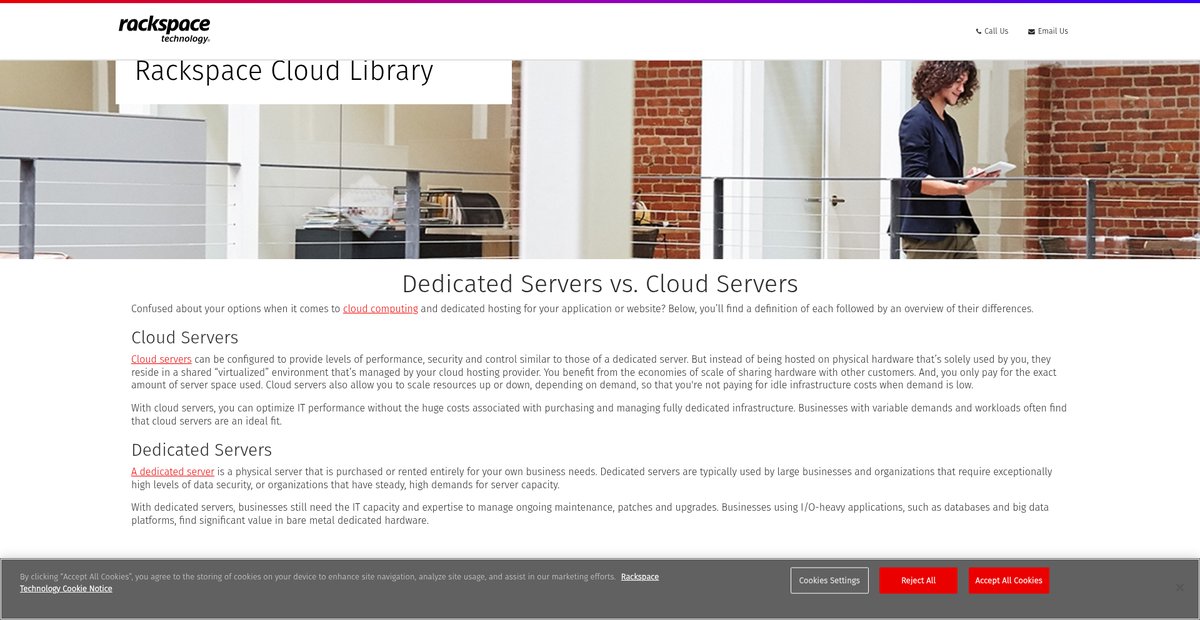
**Cloud Servers**: These are hosted in a shared virtualized environment, allowing for flexible resource scaling and cost efficiency, as you only pay for what you use. They are ideal for businesses with variable workloads, offering performance and security similar to dedicated servers without the high costs of maintaining dedicated hardware.
**Dedicated Servers**: These are physical servers exclusively used by one business, providing high levels of security and consistent performance, making them suitable for large organizations with steady, high demands. However, they require IT expertise for maintenance and management.
**Key Differences**:
- **Environment**: Cloud is multi-tenant (shared), while dedicated is single-tenant (exclusive).
- **Customization**: Dedicated servers offer full customization, unlike most cloud options.
- **Scalability**: Cloud servers allow for easy scaling, while dedicated servers may involve longer wait times for resource adjustments.
Ultimately, the choice between cloud and dedicated servers depends on your business goals, security needs, and IT requirements. For tailored solutions, Rackspace offers managed cloud and dedicated server hosting options.
 Cloud vs. Dedicated Servers for Enterprises
www.liquidweb.com
Nov 27, 2024 Jake Fellows
**Key Differences:**
- **Cloud Servers**: These are virtual servers that utilize resources from multiple physical machines. They offer a pay-as-you-go pricing model, making them flexible and cost-effective for businesses with varying demands.
- **Dedicated Servers**: These are physical machines leased exclusively to a single tenant, typically involving a fixed monthly cost. They are often more expensive but provide dedicated resources and potentially better performance for high-demand applications.
**Considerations for Businesses**:
- **Budget**: Cloud servers may be more economical due to their flexible pricing, while dedicated servers can incur higher fixed costs.
- **Performance**: Both options can be reliable, but performance largely depends on the hosting provider.
- **Use Cases**: The choice between cloud and dedicated servers should align with specific business needs, such as scalability, resource requirements, and budget constraints.
In conclusion, the decision between cloud hosting and dedicated servers hinges on your business's specific requirements, including budget, expected traffic, and resource needs.
Dedicated Server Vs. Cloud Server
verpex.com
Jan 19, 2024 Julia Lozanov
**Key Differences:**
- **Cost:** Dedicated servers are generally more expensive but offer greater processing power, while cloud servers are more affordable and provide flexible resource allocation.
- **Scalability:** Cloud servers excel in scalability, easily adjusting to traffic spikes, whereas dedicated servers require more planning for resource adjustments.
- **Customization:** Dedicated servers allow for extensive customization, enabling users to install any software or operating system, while cloud solutions typically offer less control and are often managed services.
**Performance and Reliability:**
- Both hosting types ensure fast site performance, but cloud servers have an advantage in reliability due to their use of multiple servers, reducing the risk of downtime.
- Dedicated servers are better suited for handling large traffic volumes, making them ideal for big enterprises, while cloud servers can flexibly manage traffic spikes.
**Security:**
- Dedicated servers provide robust security due to their exclusive use, while cloud hosting can present challenges, though managed cloud services offer strong security support.
In summary, the choice between cloud hosting and dedicated servers depends on specific needs: dedicated servers are preferable for high performance and customization, while cloud servers offer flexibility and scalability.
 Comparison Between Cloud and Dedicated Server ...
www.cloudpanel.io
Jan 01, 2025 Shivendra Tiwari Technical Writer
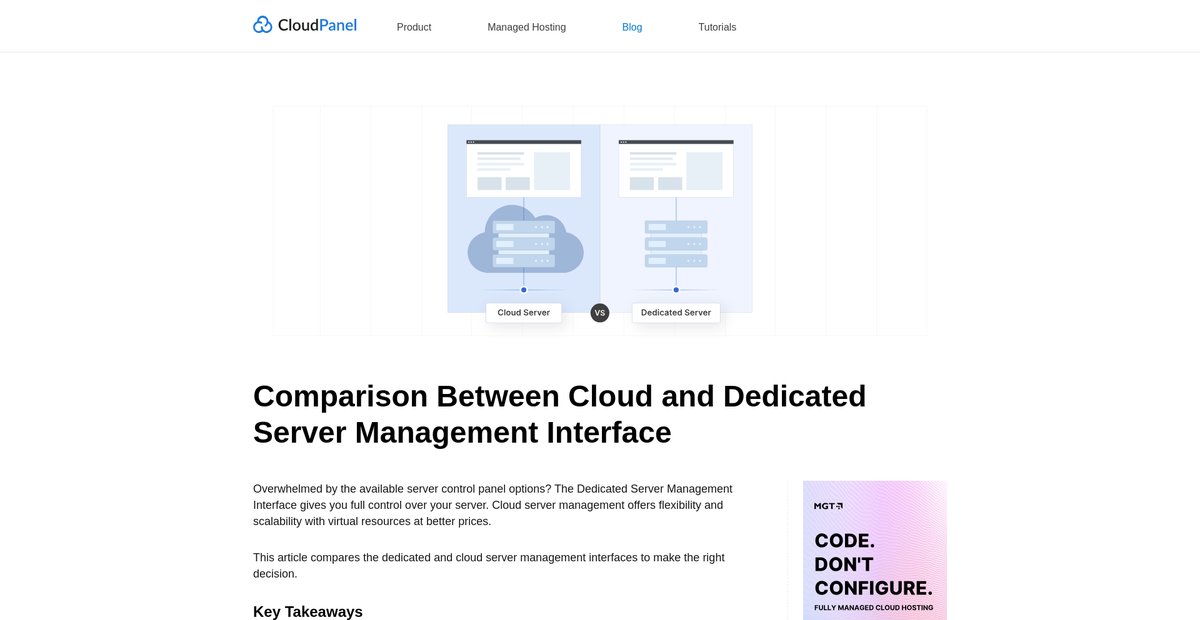
**Cloud Hosting:**
- Offers dynamic resource scaling based on demand, allowing users to adjust CPU, RAM, and storage easily.
- Cost-effective with a pay-as-you-go model, meaning you only pay for what you use.
- Provides high availability with 24/7 uptime and automated backups, minimizing service disruption.
- Quick deployment, enabling setup in minutes rather than days.
- Centralized management through a single dashboard for monitoring resources and security.
**Dedicated Servers:**
- Provide exclusive resources, leading to better performance and customization options.
- Offer enhanced security due to hardware isolation.
- Ideal for users needing full control over their server environment.
In summary, cloud hosting is more flexible and cost-effective, while dedicated servers offer superior performance and security. The choice between the two depends on specific business needs and priorities.
Dedicated vs. Cloud: How Much Does a Server Cost?
www.atlantech.net
Apr 02, 2024 Tom Collins
Key considerations include:
1. **Server Set-Up Timeline**: Cloud servers can be set up more quickly than dedicated servers.
2. **Compliance Requirements**: Certain industries may have specific compliance needs that could favor dedicated servers.
3. **Configuration and Management**: Dedicated servers often require more management and support.
4. **Workload Input/Output**: The nature of your workload can influence which option is more efficient.
5. **Demand Consistency**: Predictable workloads may benefit from dedicated servers, while variable workloads might suit cloud solutions better.
6. **Anticipated Upgrades**: Future scalability needs should be considered.
7. **CapEx vs. OpEx**: Understanding capital versus operational expenditure can impact your decision.
8. **Talent-Related Costs**: The need for specialized staff can vary between the two options.
Overall, the article emphasizes that businesses should evaluate both hard and soft costs, as well as their specific needs, before choosing between cloud hosting and dedicated servers.
Cloud Server vs Dedicated Server: What's the Difference?
www.enterprisestorageforum.com
Sep 19, 2023 Avya Chaudhary
**Key Differences:**
1. **Scalability**: Cloud servers offer flexible scalability, allowing businesses to adjust resources easily during traffic spikes. In contrast, dedicated servers require manual scaling, which can lead to downtime.
2. **Tenancy**: Cloud servers operate on a multi-tenancy model, sharing resources among multiple users, while dedicated servers provide single tenancy, ensuring consistent performance under load.
3. **Cost Structure**: Cloud servers utilize a pay-as-you-go model with no upfront hardware costs, making them more affordable initially. Dedicated servers involve high initial costs and often require payment for unused resources.
4. **Deployment and Maintenance**: Cloud servers can be deployed almost instantly and require no maintenance from the user, as the provider handles it. Dedicated servers have longer deployment times and require skilled personnel for maintenance and upgrades.
5. **Security and Customization**: Dedicated servers offer higher security and privacy, along with extensive customization options for hardware components. Cloud servers may compromise on security and have limited customization.
In summary, cloud hosting is ideal for businesses needing flexibility and lower initial costs, while dedicated servers are better suited for those requiring high security, performance, and customization.
 Dedicated server vs cloud : r/hetzner
www.reddit.com
Nov 04, 2023
Dedicated Server vs VPS - Difference Between Hosting ...
aws.amazon.com
Apr 17, 2025
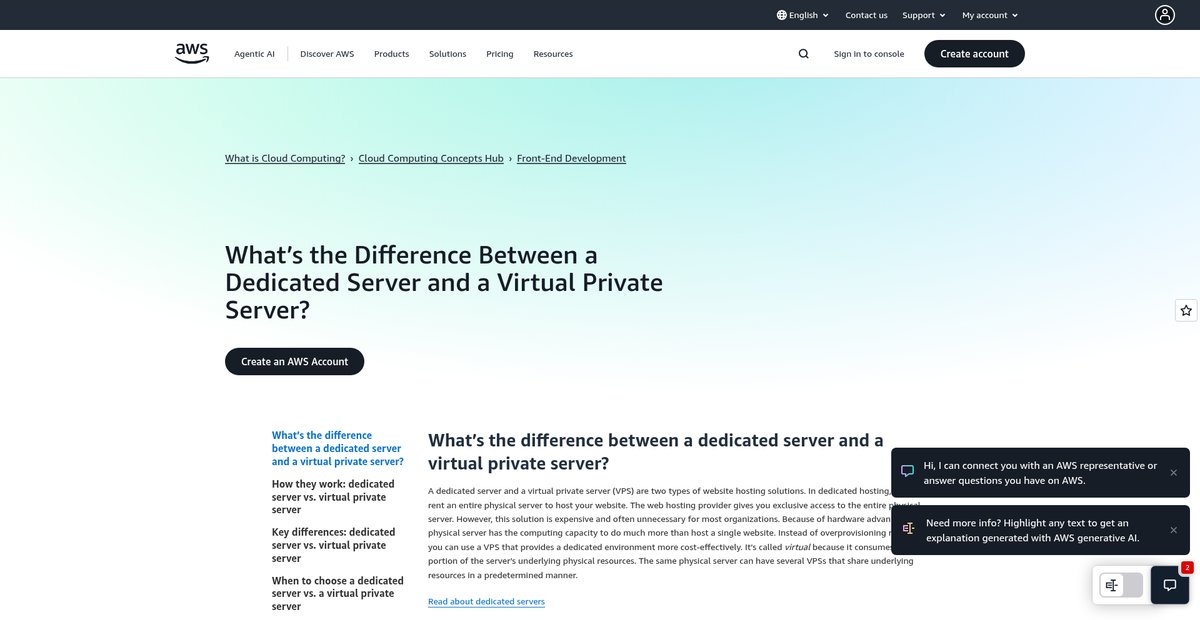
Key distinctions include:
- **Resource Allocation**: Dedicated servers offer all resources of the physical server, while VPSs share resources among multiple users.
- **Cost**: VPS hosting is generally more affordable than dedicated hosting.
- **Control**: Dedicated servers provide full control over the server, whereas VPSs offer limited control due to shared resources.
For users considering cloud hosting versus dedicated servers, VPS can be seen as a middle ground, providing dedicated resources at a lower cost while still leveraging cloud technology.
Screenshots Gallery