Top 10 Results
DigitalOcean | Cloud Infrastructure for Developers
www.digitalocean.com
Jan 01, 2025 Dave McCarthyResearch Vice President, IDC
Cloud Computing Services - Amazon Web Services (AWS)
aws.amazon.com
May 07, 2025
With millions of active customers, including startups, enterprises, and government agencies, AWS boasts the largest community of users and partners worldwide. It also features advanced AI and data services, making it suitable for building generative AI applications. For those interested in cloud computing server hosting, AWS offers flexible and scalable solutions that can meet diverse requirements.
For more details on AWS's capabilities and services, visit their official website.
Rackspace Technology | Multicloud Solutions Provider
www.rackspace.com
Apr 01, 2025 Michael Chute, Head of Platform Engineering and Architecture, Domino's UK & Ireland Ltd.
Cloud Computing Services and Managed Services
www.ctl.io
Jan 01, 2025
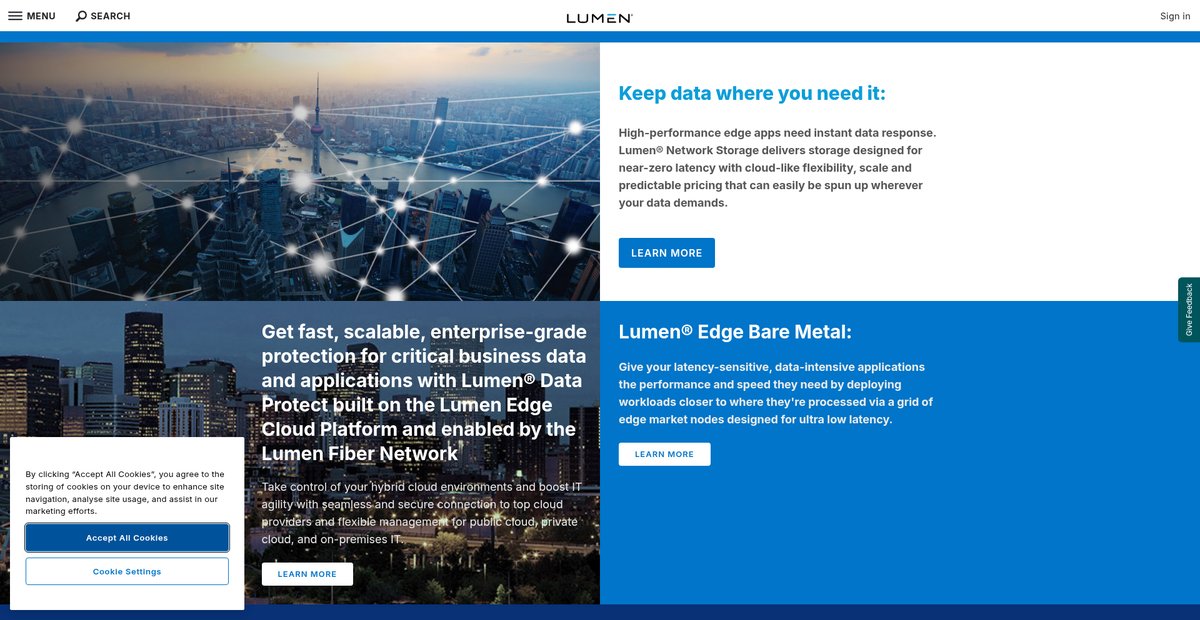
1. **Dedicated Cloud Compute**: On-demand physical servers designed for compute-intensive workloads requiring low latency.
2. **Managed Hosting**: Services that enhance productivity through expert IT management, allowing businesses to focus on core operations.
3. **Edge Services**: Solutions that accelerate data and applications with ultra-low latency connectivity, including Edge Bare Metal and Edge Private Cloud options for flexibility and security.
4. **Cloud Management**: A range of management options from fully-managed services to self-service tools, including the Cloud Application Manager for orchestration and application management.
5. **Security Services**: Managed security options such as DDoS mitigation and web application firewalls to protect cloud-hosted applications.
For businesses seeking reliable cloud server hosting, CTL offers tailored solutions that combine performance, security, and management flexibility. For more details, visit CTL's website.
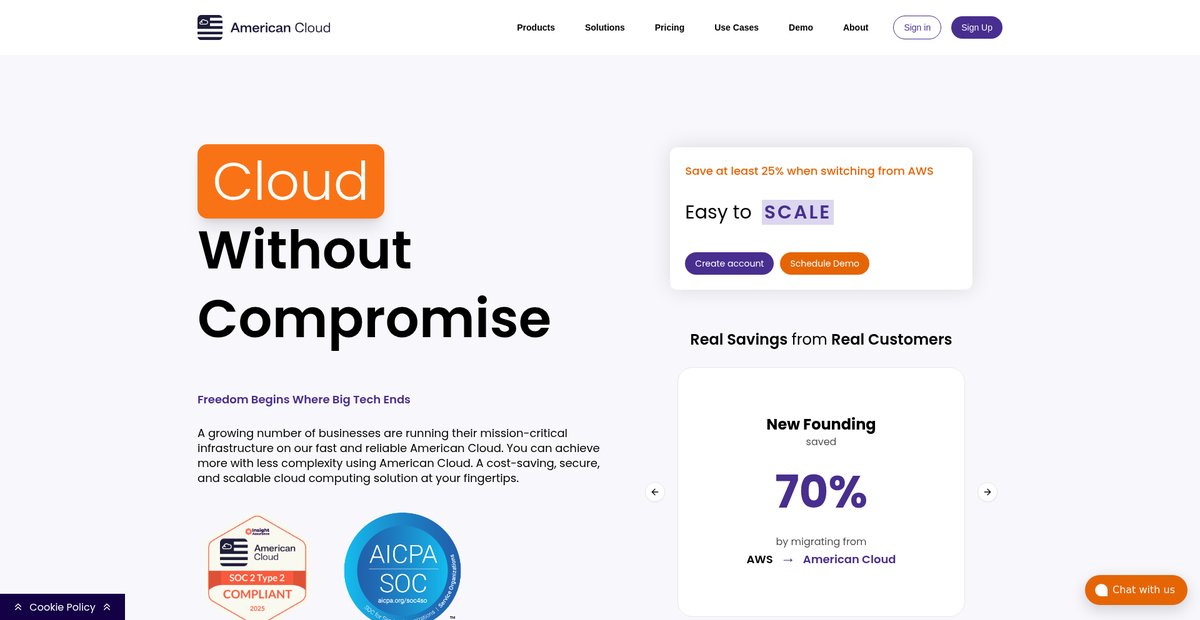
American Cloud - Your Data Deserves Better
americancloud.com
Jan 01, 2025
Cloudnium | Enterprise Colocation | Dallas Texas | Irving, TX | San Angelo, TX | Port Edwards, WI
cloudnium.net
Jan 01, 2025
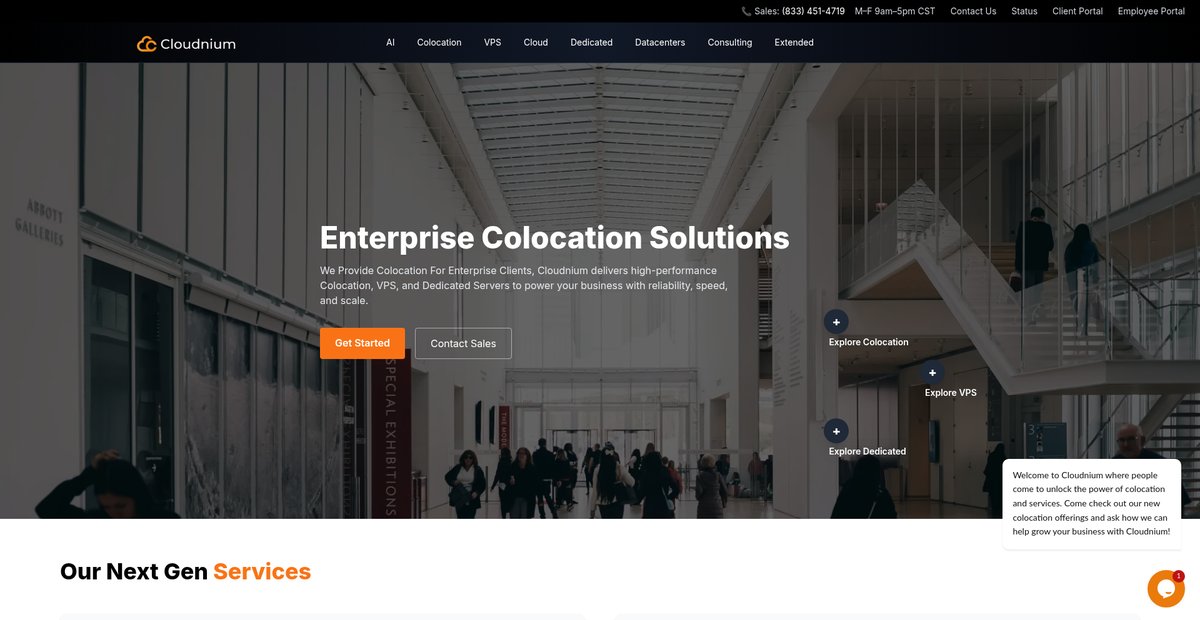
1. **Colocation Services**: Located in Dallas and Fort Worth, Texas, Cloudnium provides various colocation options such as cage space, private space, and full or half cabinets. They also cater to hyperscale needs, accommodating high power consumption requirements (30MW or more).
2. **VPS Hosting**: Their VPS hosting utilizes KVM technology, featuring high-performance Intel v4 or AMD Epyc processors with a minimum 10Gbps uplink per node. This service is designed for cost-effectiveness and robust performance.
3. **Dedicated Servers**: Cloudnium offers dedicated servers with options for Intel and AMD processors, supporting bandwidth from 1Gbps to 40Gbps. They can customize server configurations to meet specific client needs.
4. **Cloud Services**: Their cloud services include flexible leasing options for private space, ideal for businesses looking for scalable solutions.
For more information or to discuss specific requirements, users can contact Cloudnium directly through their website.
Constant - Global, Automated Cloud Infrastructure Provider
www.constant.com
Jan 01, 2025
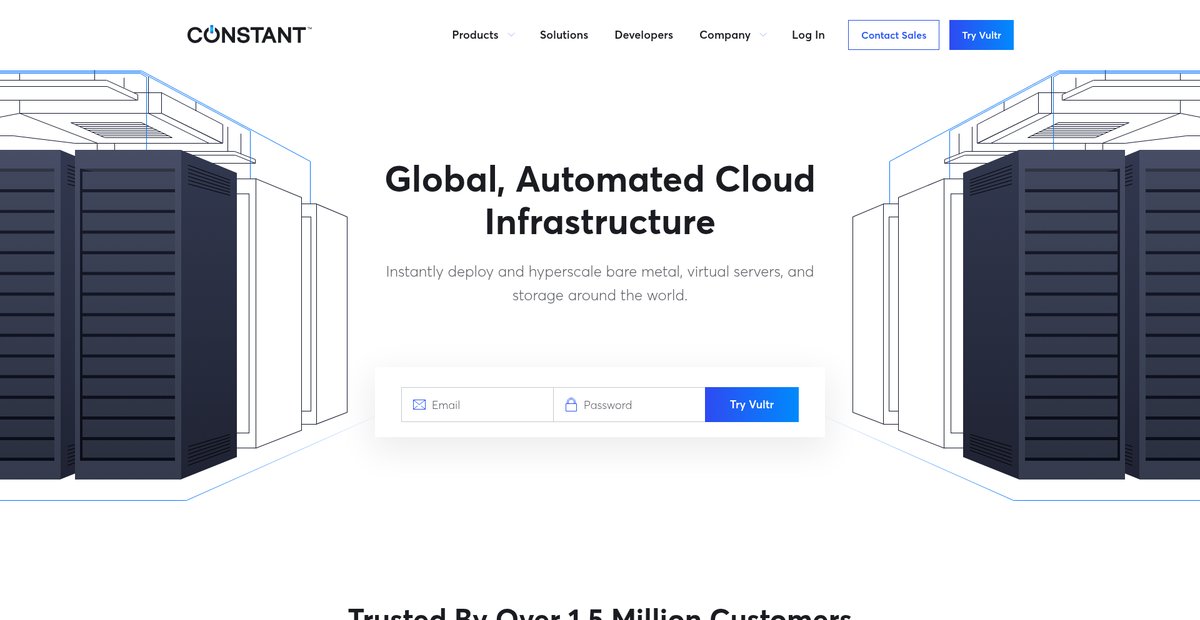
Key offerings include fully automated dedicated servers, shared and high-frequency instances, and fast object and block storage with large volume capacities. The platform supports various operating systems and provides advanced networking capabilities, one-click app deployments, and a comprehensive control panel for infrastructure management.
Constant's infrastructure is designed for flexibility, allowing developers to build, deploy, and scale applications efficiently, whether for gaming, mobile apps, or edge computing. The service emphasizes automation and powerful APIs to streamline management, making it an attractive option for those seeking reliable cloud computing server hosting solutions.
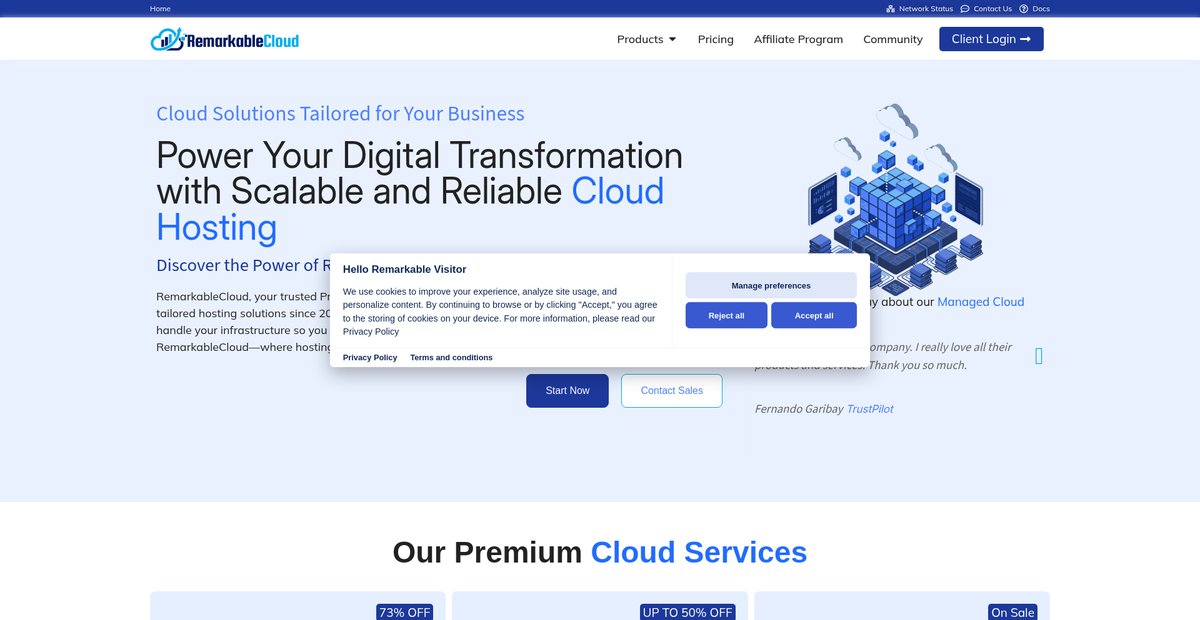
RemarkableCloud | Best Hosting Provider
remarkablecloud.com
Sep 02, 2025
Cloudfitters
cloudfitters.com
Apr 25, 2025
What is Cloud Hosting? - Cloud Server Hosting Explained
aws.amazon.com
Mar 11, 2025
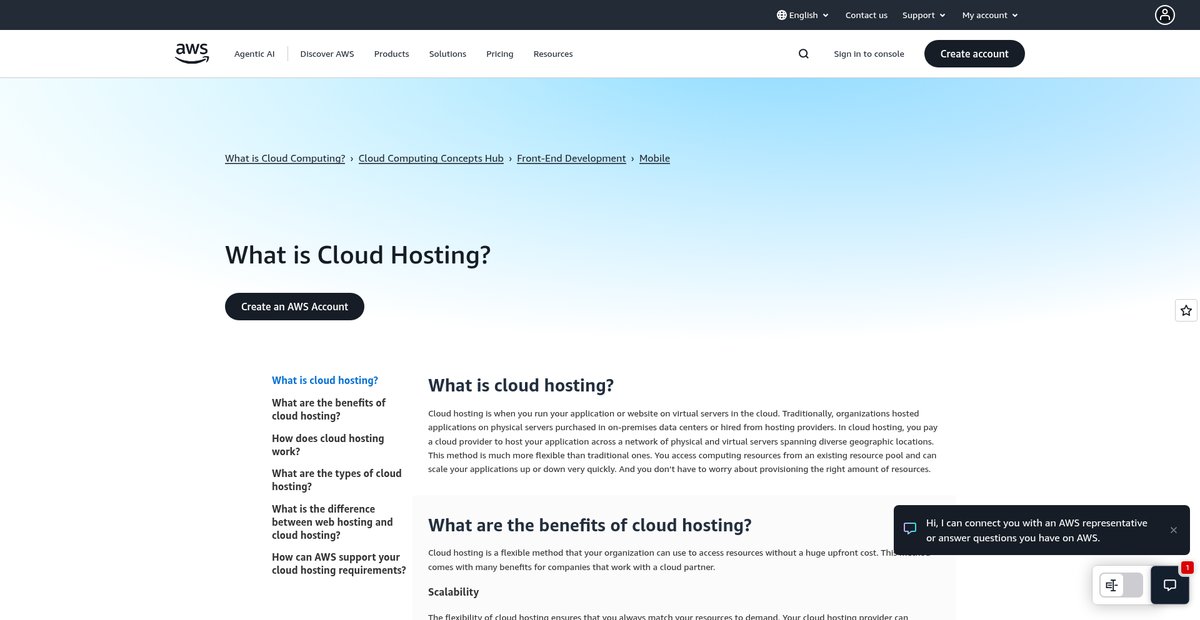
1. **Scalability**: Resources can be adjusted based on demand, allowing businesses to pay only for what they use without the need for upfront hardware investments.
2. **Availability**: Cloud hosting providers maintain multiple data centers globally, enhancing service availability and reducing latency. They implement technologies like load balancers to ensure consistent access to applications.
3. **Cost Efficiency**: By eliminating the need for physical hardware and ongoing maintenance costs, cloud hosting offers a pay-as-you-go model that can significantly reduce expenses.
4. **Security**: Cloud providers invest in advanced security measures and regularly update their systems, offering robust protection and disaster recovery options.
5. **Time to Market**: Organizations can quickly deploy their IT infrastructure without the delays associated with setting up physical hardware.
For more detailed information on cloud hosting and its advantages, you can visit the full article on AWS here.
Screenshots Gallery