Top 10 Results
Google Cloud web hosting
cloud.google.com
Apr 28, 2025
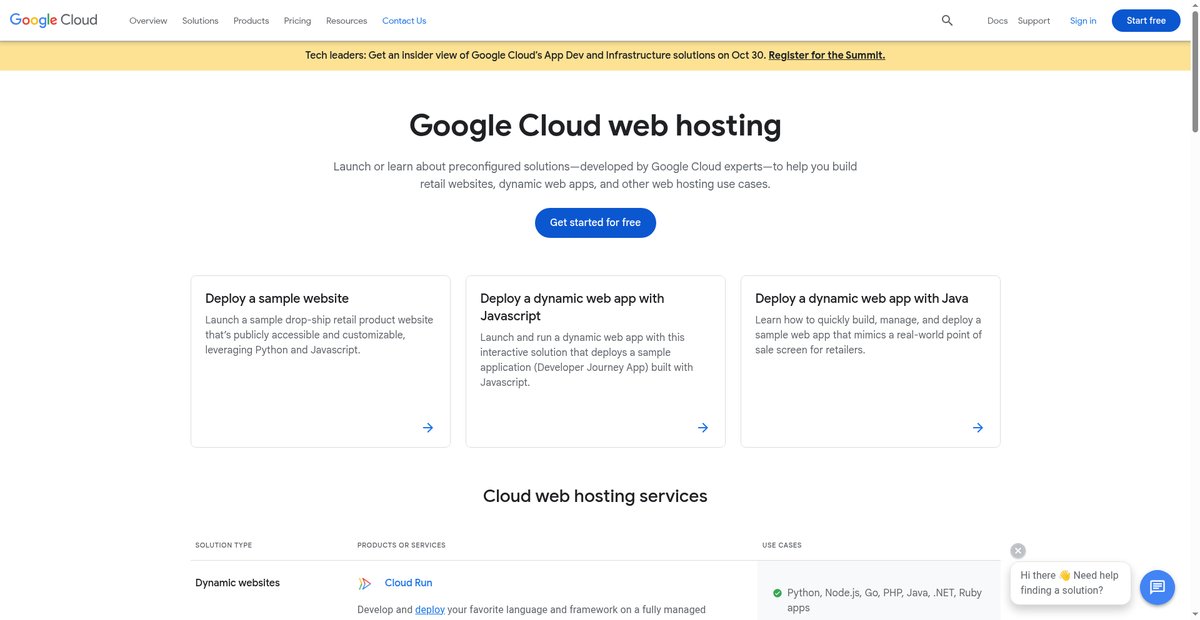
1. **Cloud Run**: A serverless platform that allows you to develop and deploy applications in various programming languages (Python, Node.js, Go, etc.) with automatic scaling.
2. **Firebase App Hosting**: Ideal for full-stack web apps, this service supports continuous deployment from GitHub and offers global CDN, autoscaled containers, and domain management.
3. **Compute Engine**: Provides complete control over your server infrastructure, allowing for custom configurations of virtual machines and resources.
4. **WordPress Hosting**: Options include deploying WordPress on Google Kubernetes Engine (GKE) for flexibility or using preconfigured solutions on Compute Engine for ease of setup.
These services cater to various use cases, from dynamic websites and APIs to simple blogs and retail applications. For more information, you can explore the Google Cloud web hosting solutions.
 Best Cloud Hosting of 2025: Our Tests & Reviews
www.hostingadvice.com
May 14, 2025 About The Author
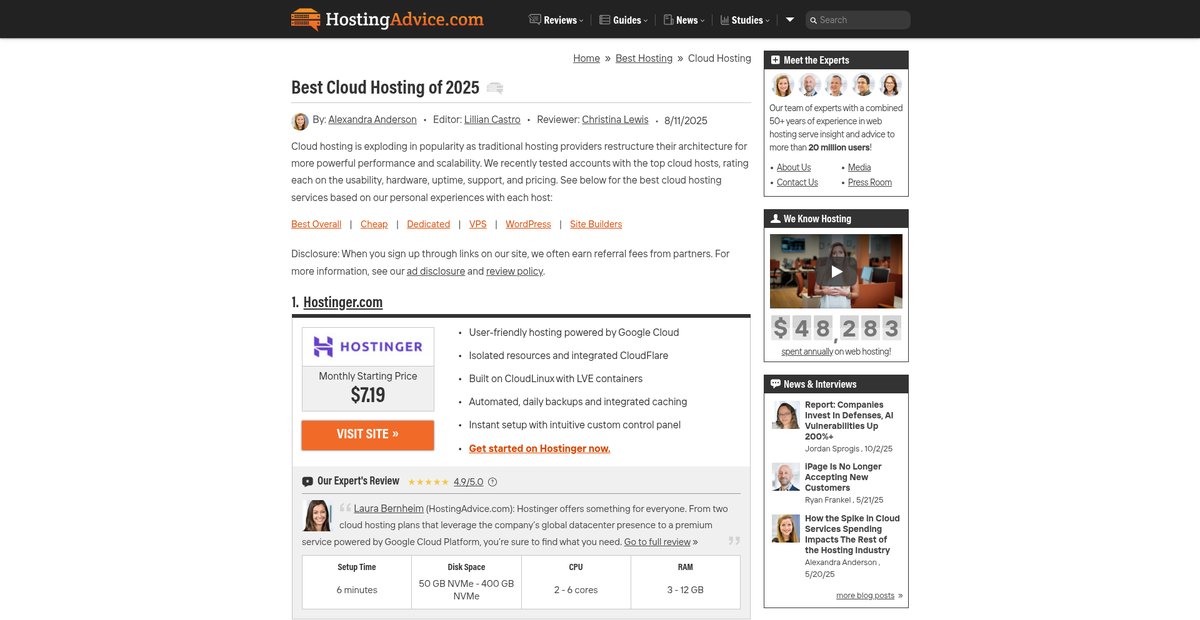
Key recommendations include:
1. **Hostinger** - Starting at $7.19/month, it offers user-friendly hosting powered by Google Cloud, isolated resources, automated backups, and an intuitive control panel.
2. **Kamatera** - Starting at $4.00/month, it provides ultimate scalability with customizable servers, a 99.95% uptime guarantee, and a 30-day free trial.
3. **InterServer** - Although details were cut off, it is also featured as a recommended option.
For those specifically looking for cloud-based server hosting, these services are tailored to provide robust performance and flexibility, making them suitable choices for various needs.
Managed cloud hosting | 4X more speed | 99.9% uptime
www.hostinger.com
Jan 01, 2025 Hostinger
Vultr.com: SSD VPS Servers, Cloud Servers and Cloud Hosting
www.vultr.com
Jan 01, 2025
What is Cloud Hosting? Benefits and Risks
cloud.google.com
Apr 25, 2025
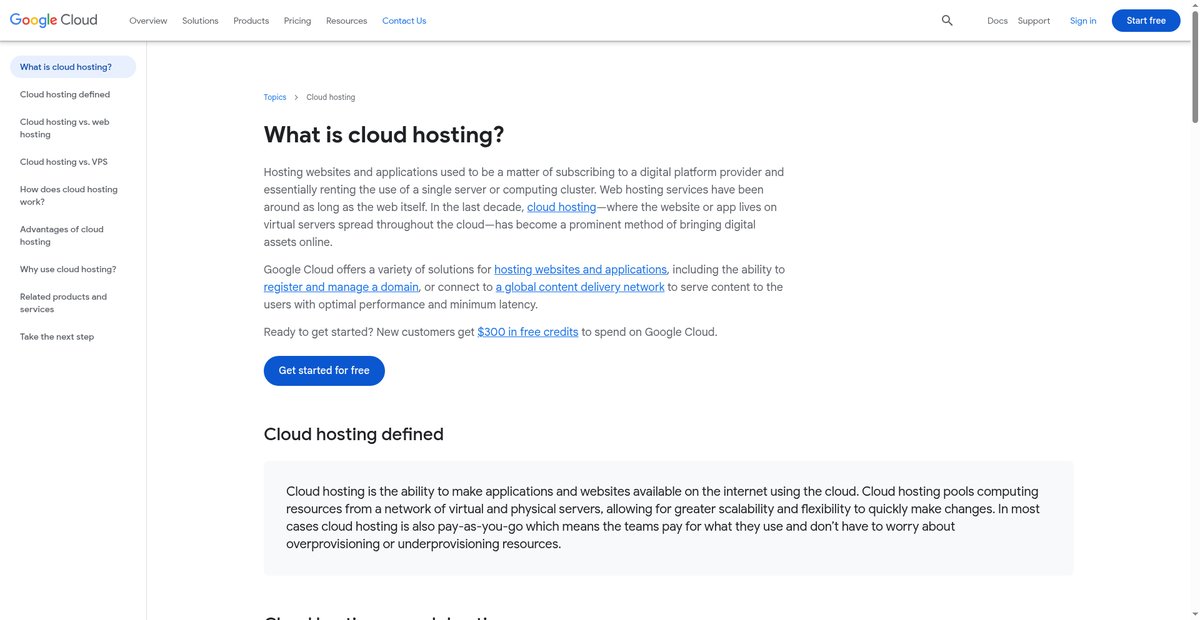
Key benefits of cloud hosting include a pay-as-you-go pricing model, which helps avoid overprovisioning or underprovisioning of resources, and improved reliability and performance due to the distribution of content across various locations. This model contrasts with Virtual Private Server (VPS) hosting, which operates on a single server and offers limited scalability.
For those interested in exploring cloud hosting solutions, Google Cloud provides various options, including domain registration and integration with content delivery networks, along with a promotional offer of $300 in free credits for new customers. For more detailed information, visit the full article on Google Cloud's website.
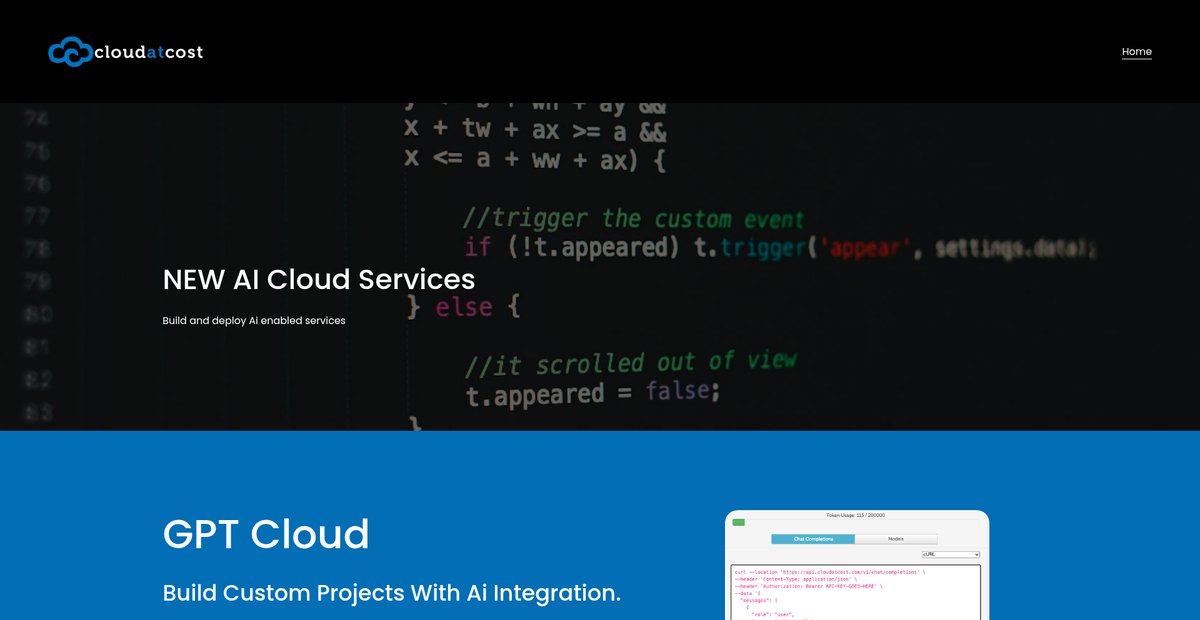
CloudatCost
www.cloudatcost.com
Jul 17, 2025
Global Cloud Service Provider
us.ovhcloud.com
Jan 01, 2025
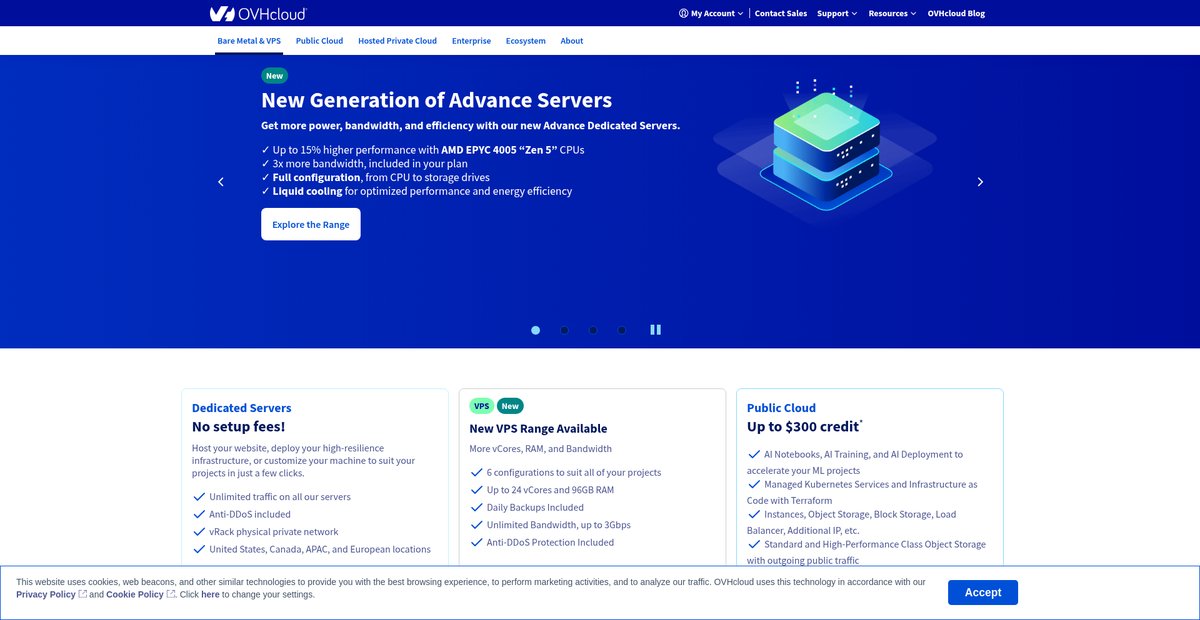
Additionally, OVHcloud provides a Public VCF as-a-Service, which is a fully managed VMware Cloud Foundation solution designed for cost efficiency and quick deployment, starting at $399/month. Their dedicated servers come with unlimited traffic, anti-DDoS protection, and a private network (vRack) for enhanced performance.
OVHcloud also offers a public cloud with up to $300 in credits for new users, featuring AI tools, managed Kubernetes services, and various storage options. This makes OVHcloud a versatile choice for businesses looking for reliable and scalable cloud hosting solutions.
What is Cloud Hosting? - Cloud Server Hosting Explained
aws.amazon.com
Mar 11, 2025
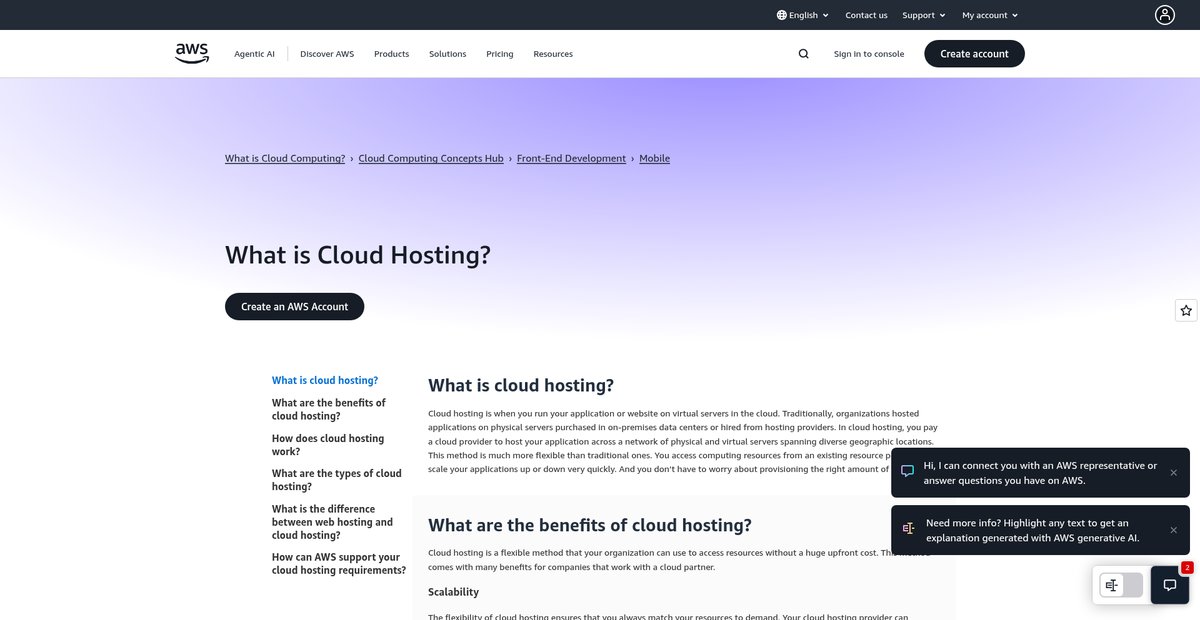
1. **Scalability**: Resources can be adjusted based on demand, allowing businesses to pay only for what they use without the need for upfront hardware investments.
2. **Availability**: With data centers worldwide, cloud hosting reduces latency and enhances service availability, supported by technologies like load balancers and content delivery networks.
3. **Cost Efficiency**: It eliminates the high upfront costs and ongoing maintenance associated with local hosting, using a pay-as-you-go pricing model.
4. **Security**: Cloud providers invest in robust security measures and offer regular updates, along with disaster recovery options to protect data.
5. **Time to Market**: Organizations can deploy their IT infrastructure more quickly without the delays associated with setting up physical hardware.
For more detailed insights on cloud-based server hosting, you can visit the full article on AWS here.
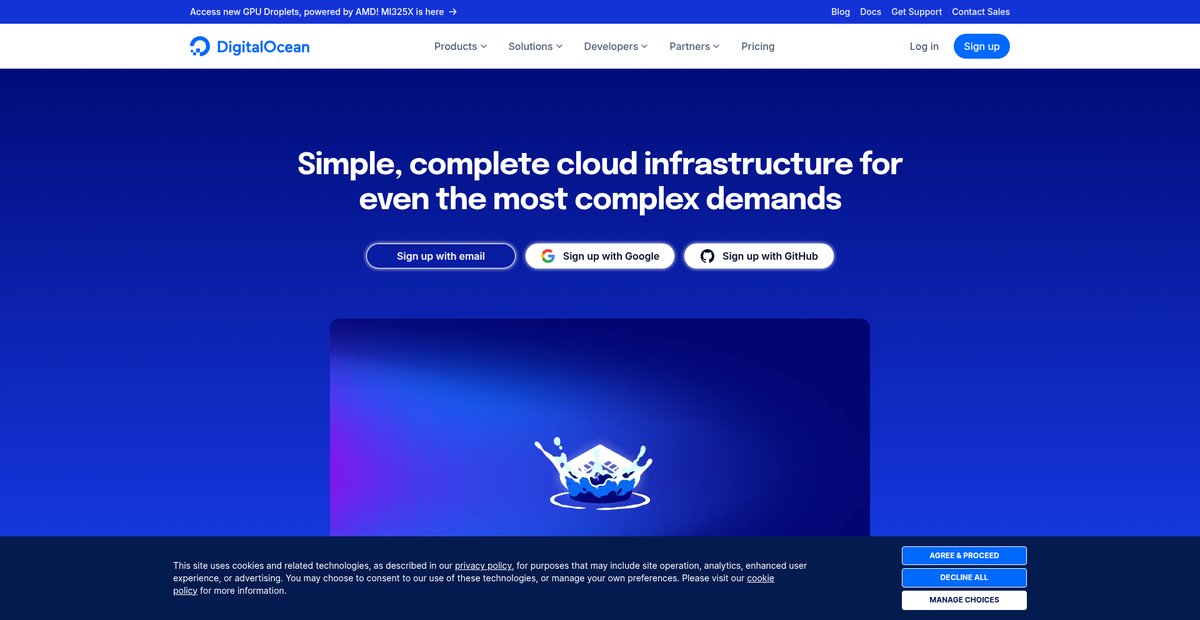
DigitalOcean | Cloud Infrastructure for Developers
www.digitalocean.com
Jan 01, 2025 Dave McCarthyResearch Vice President, IDC
 Cheapest Cloud Servers out there? : r/devops
www.reddit.com
Oct 02, 2024 SanoHD
Screenshots Gallery